Patagonia

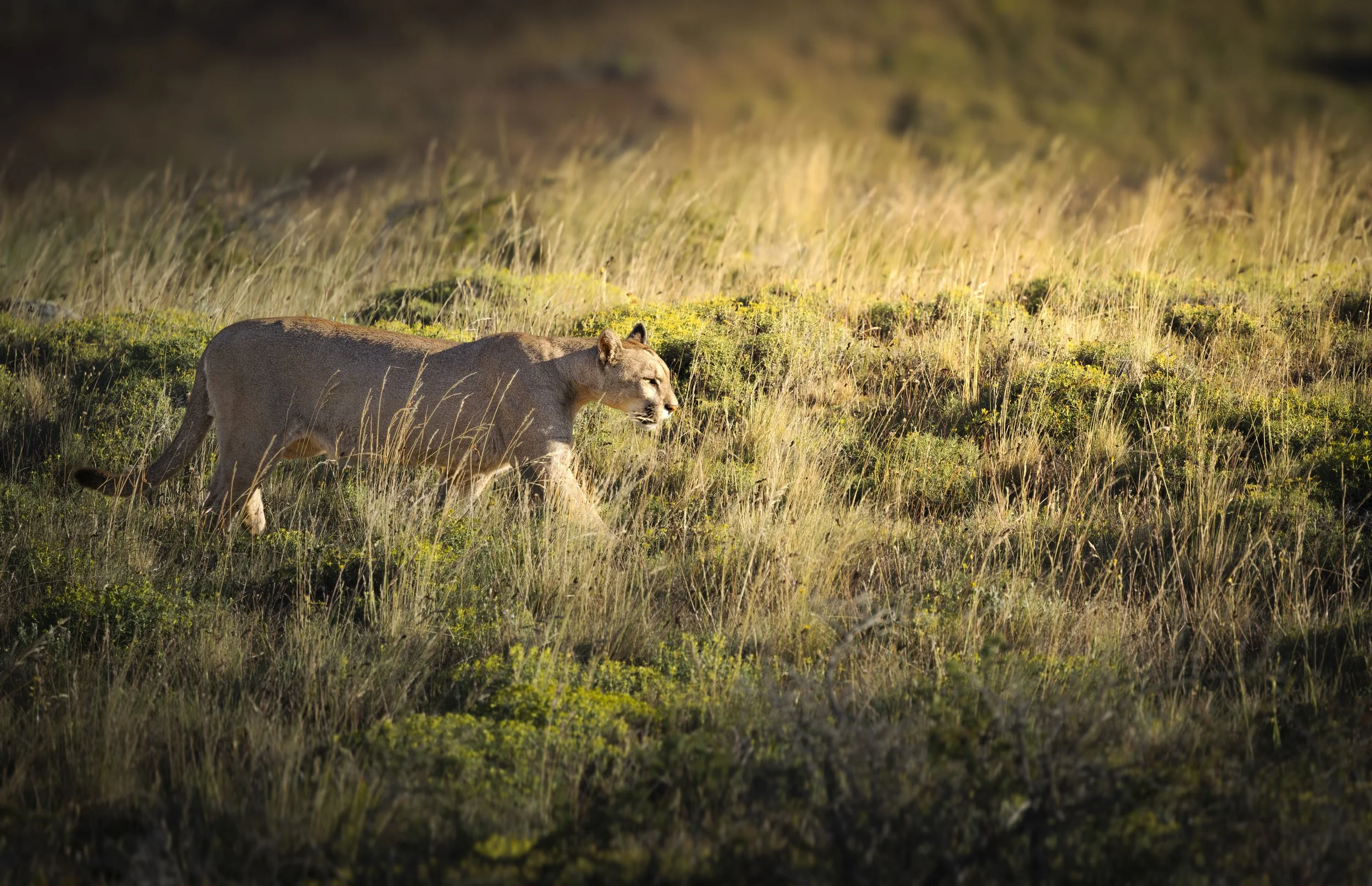
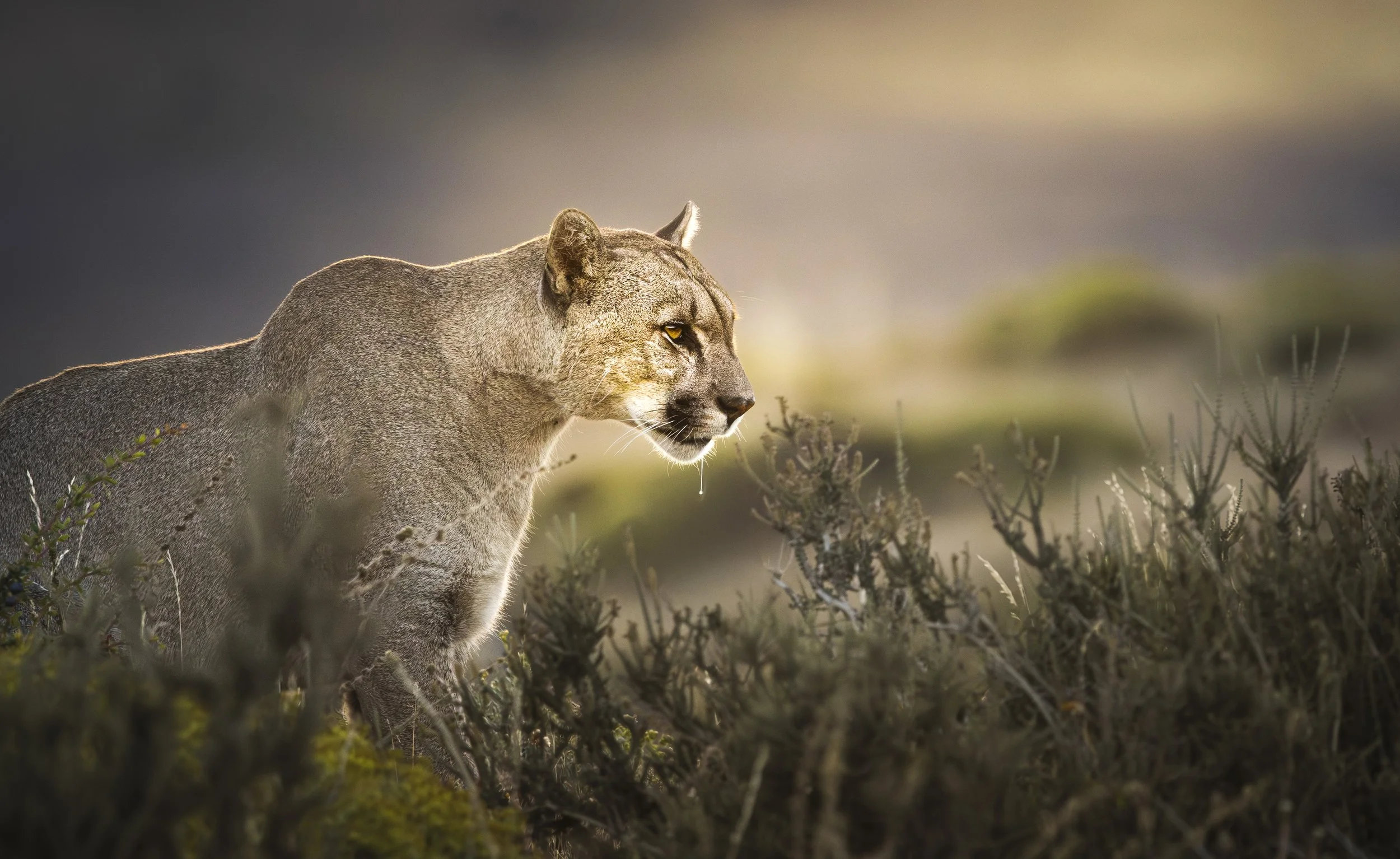
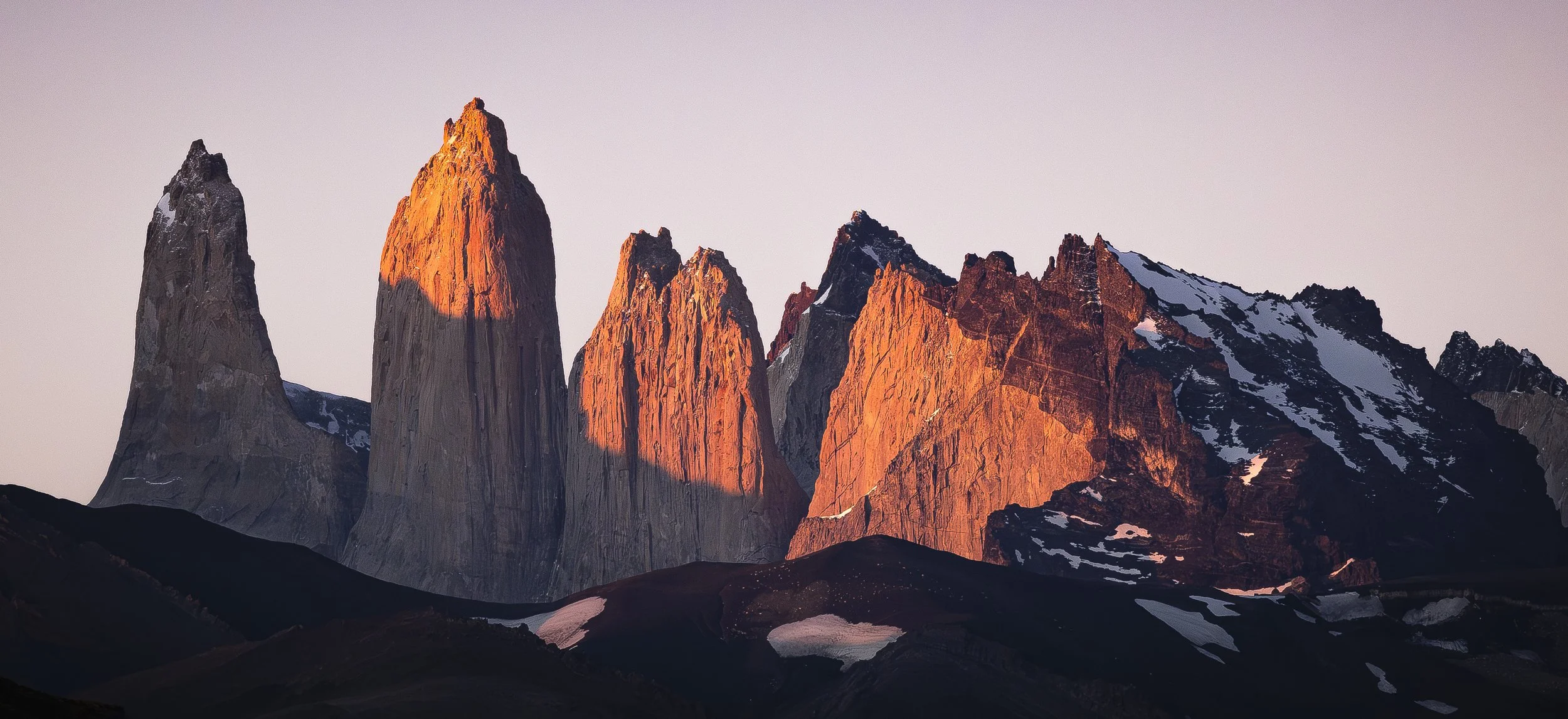
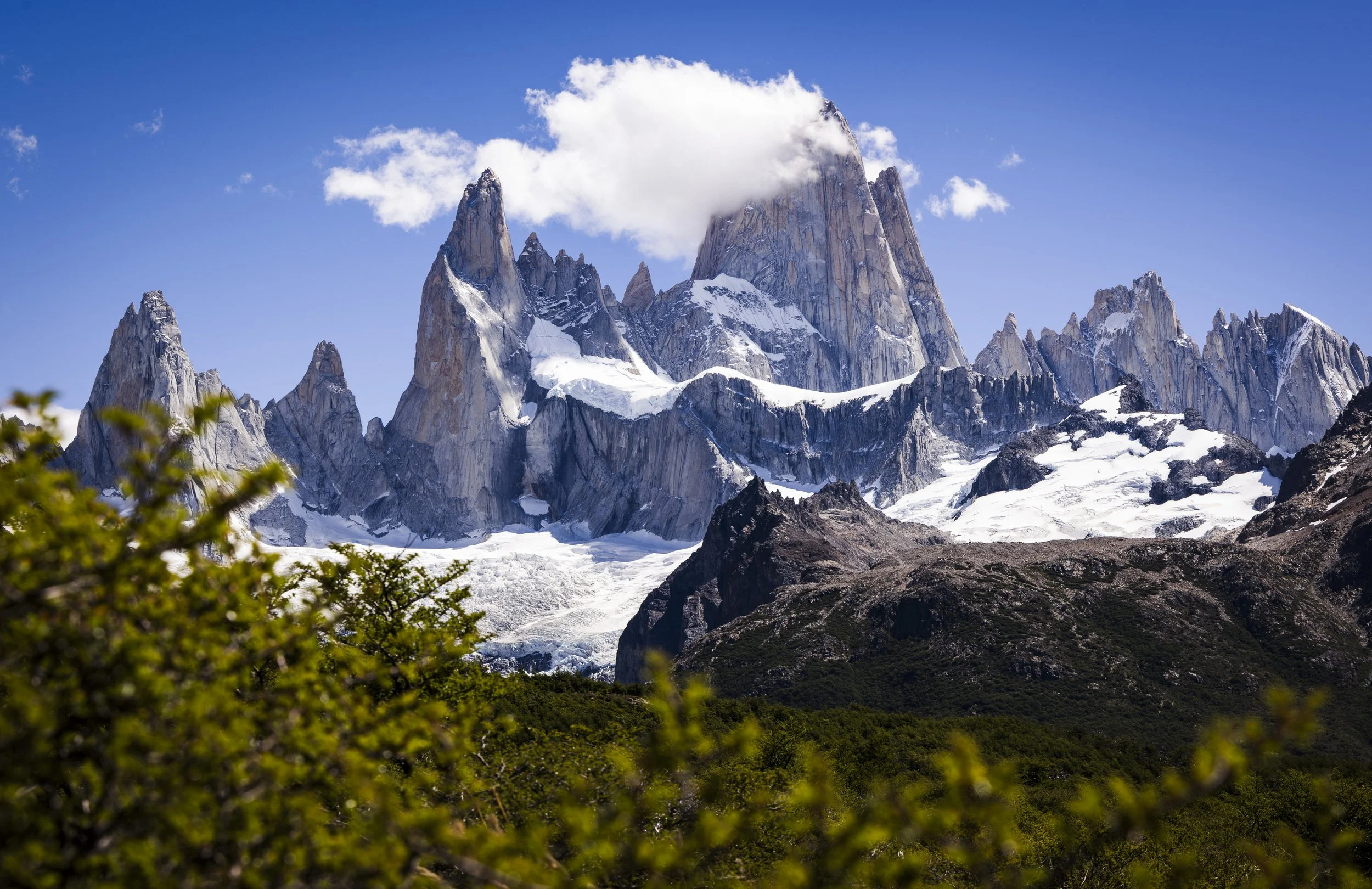
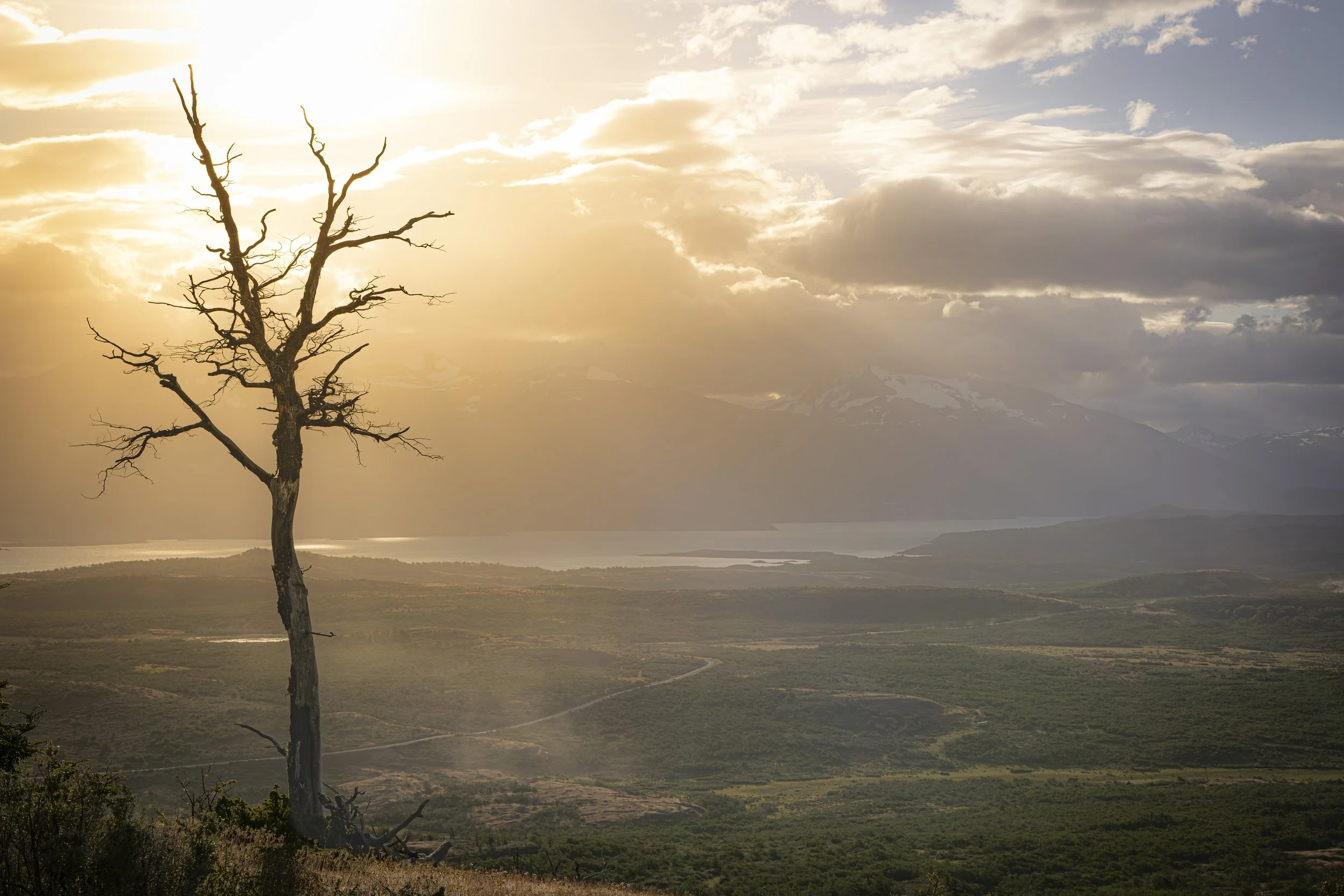
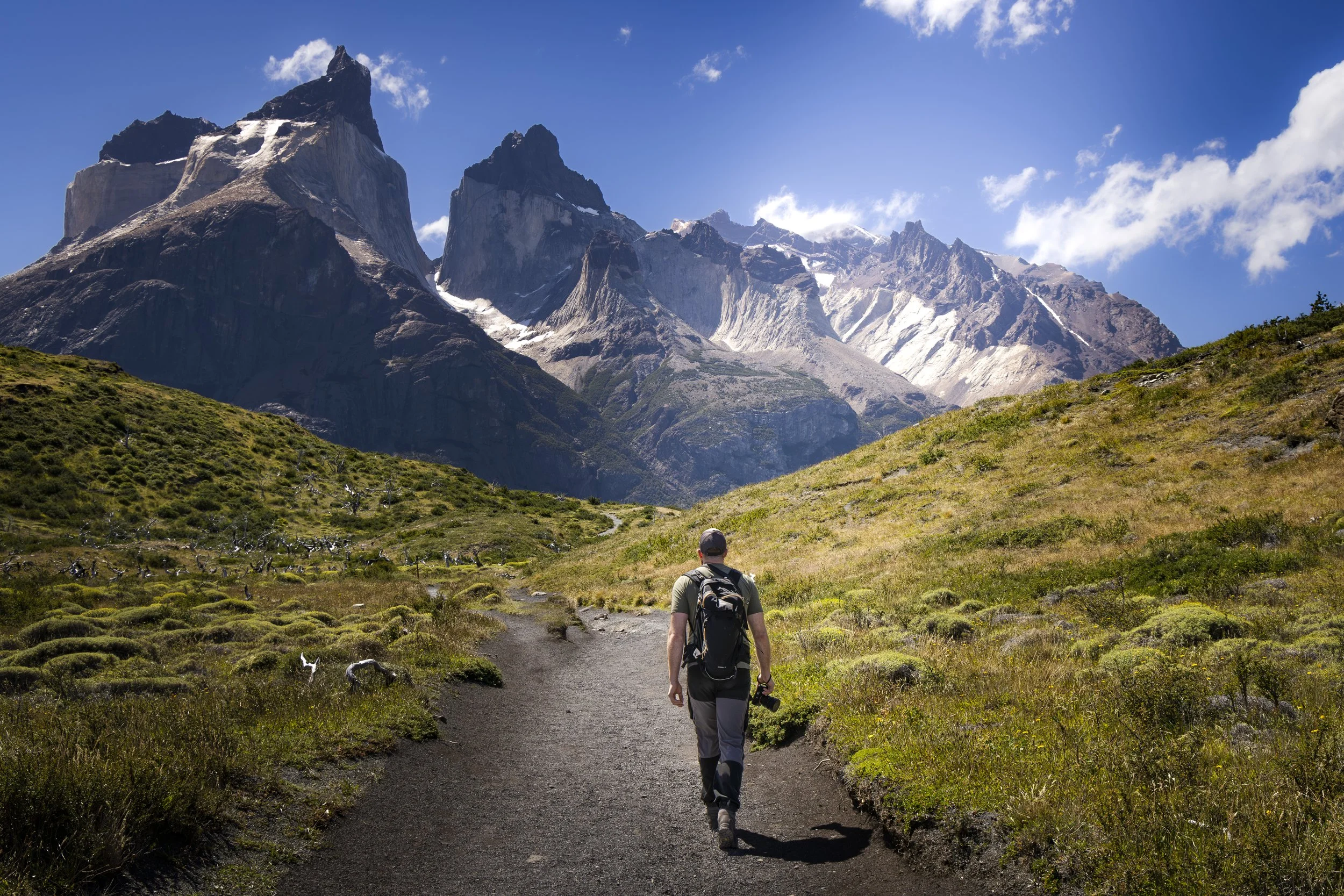
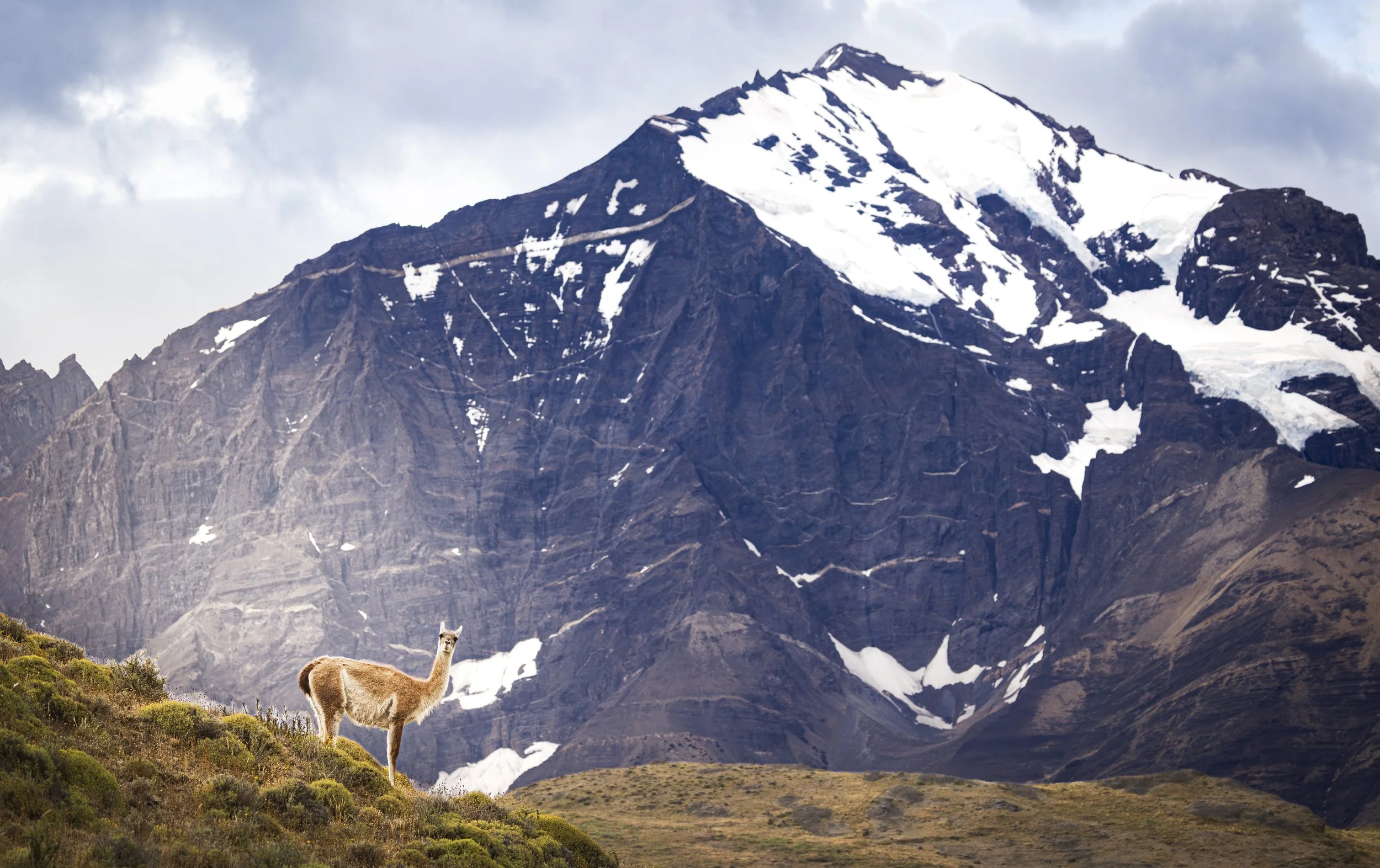
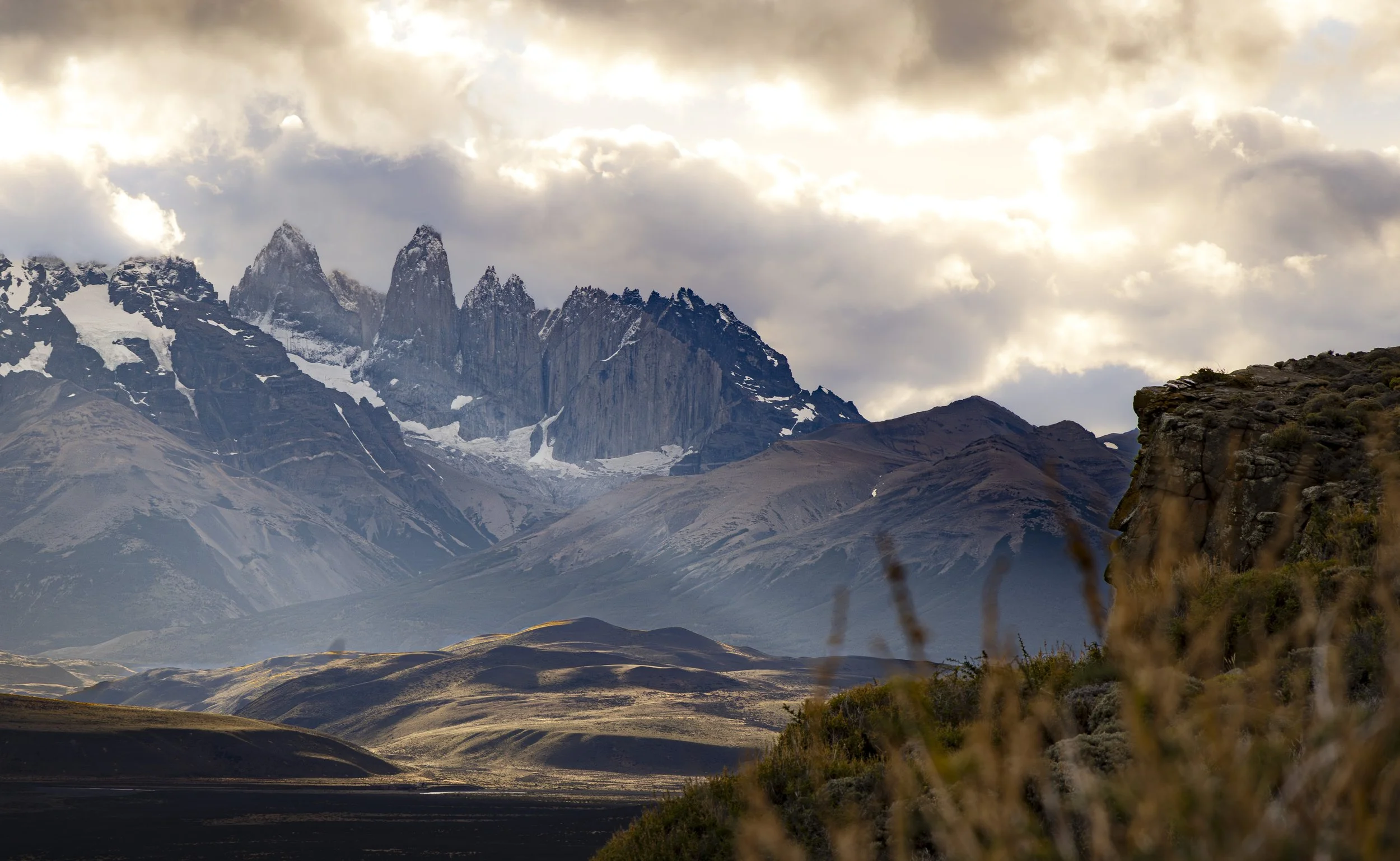
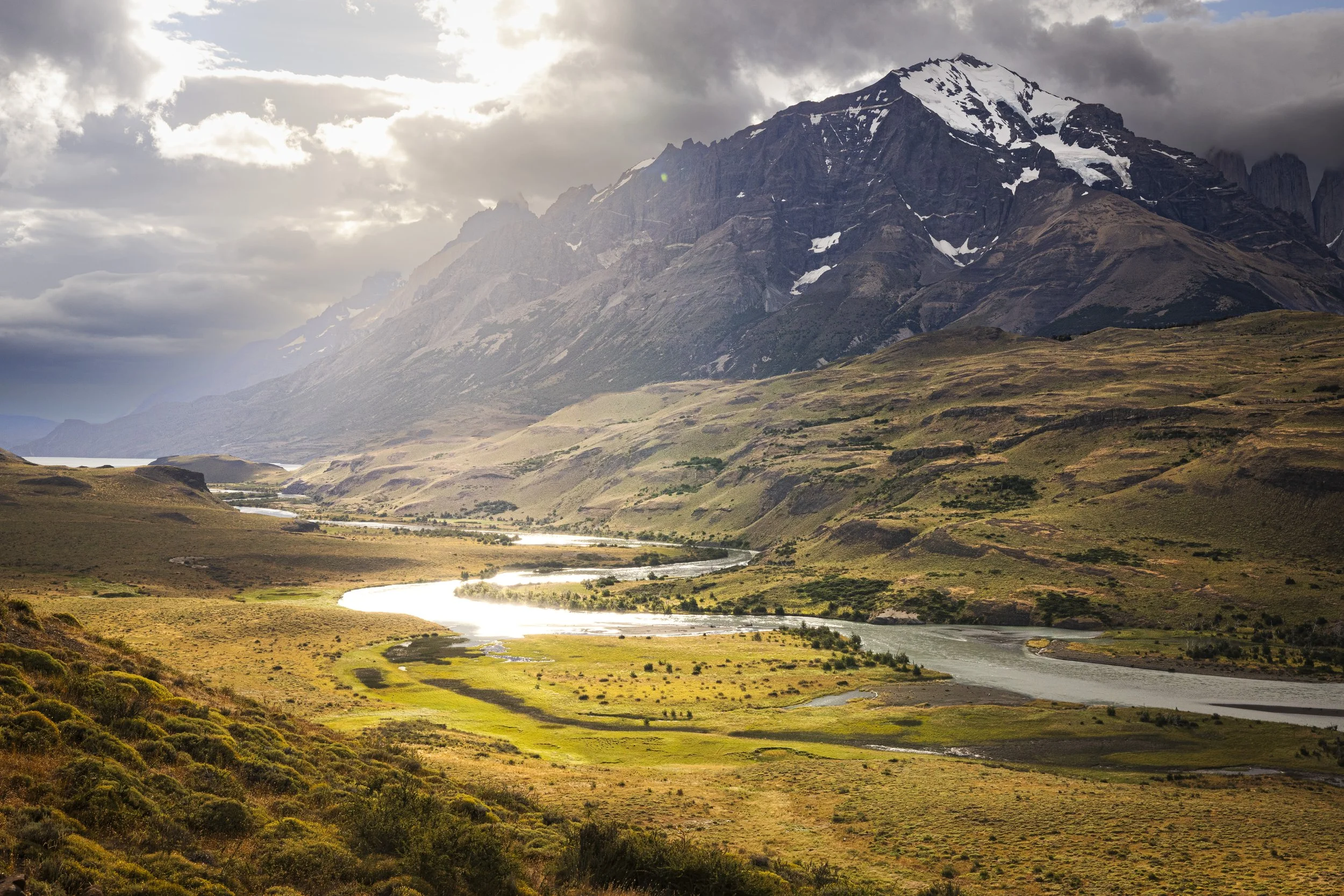
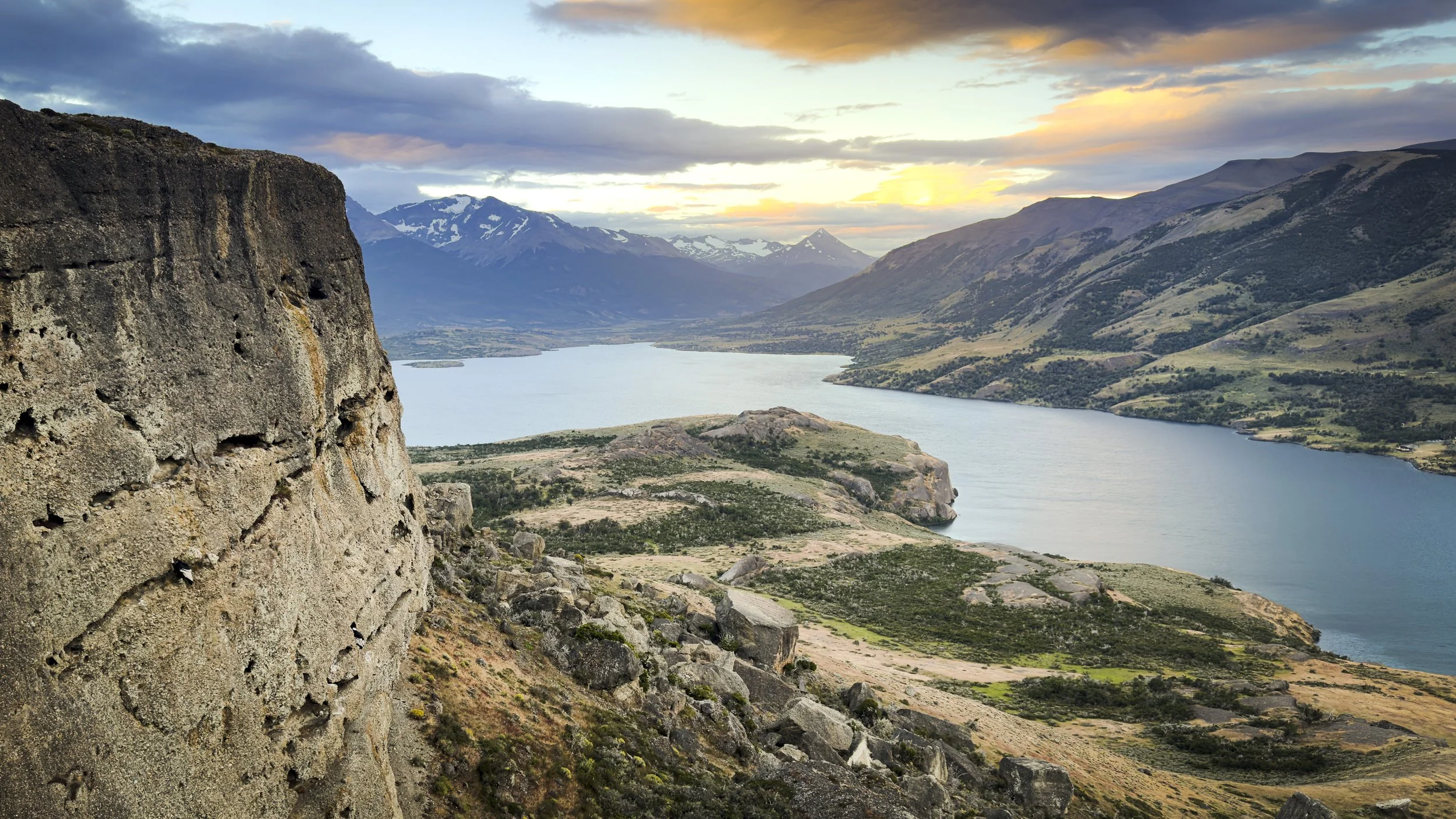
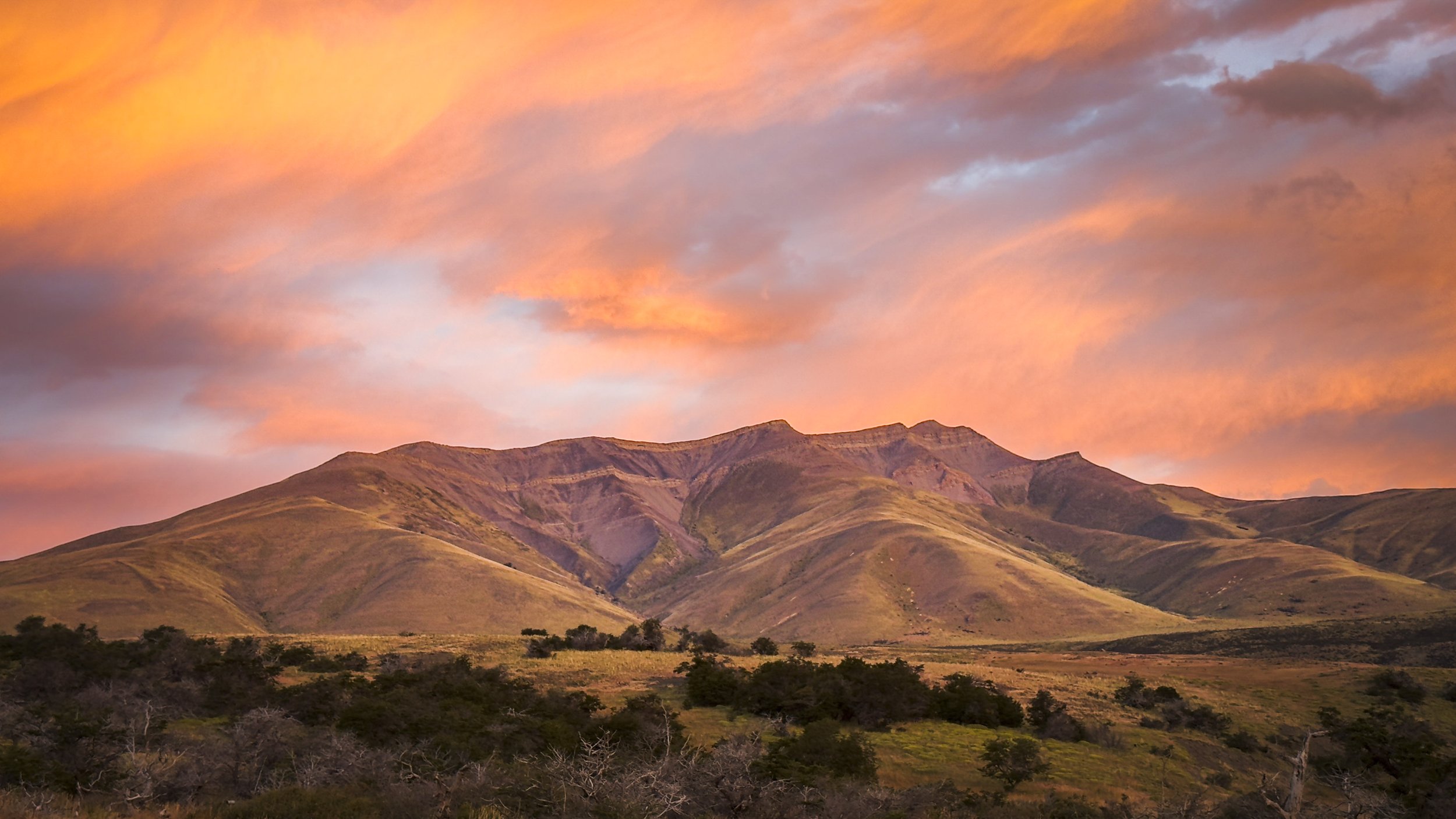
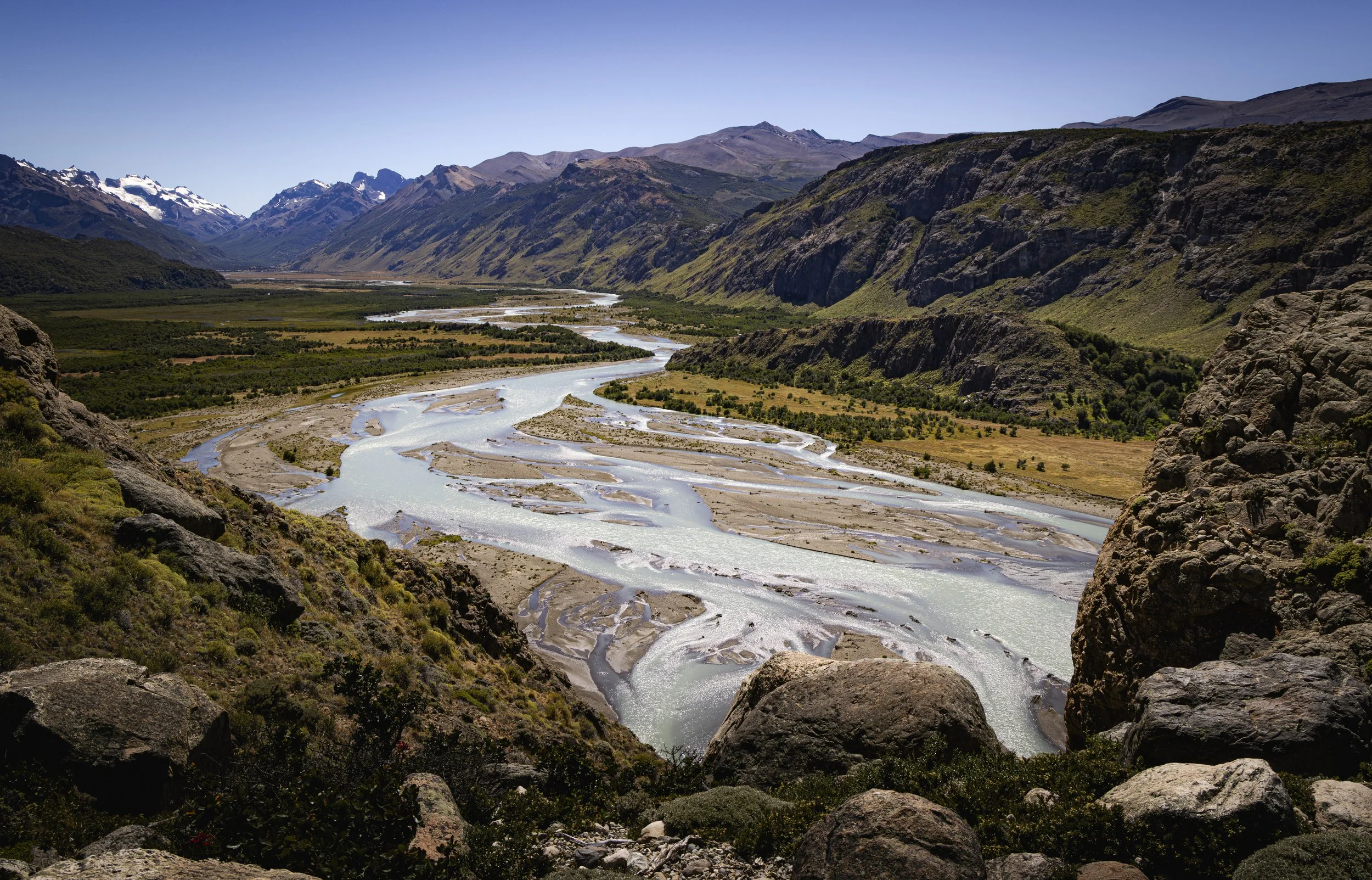
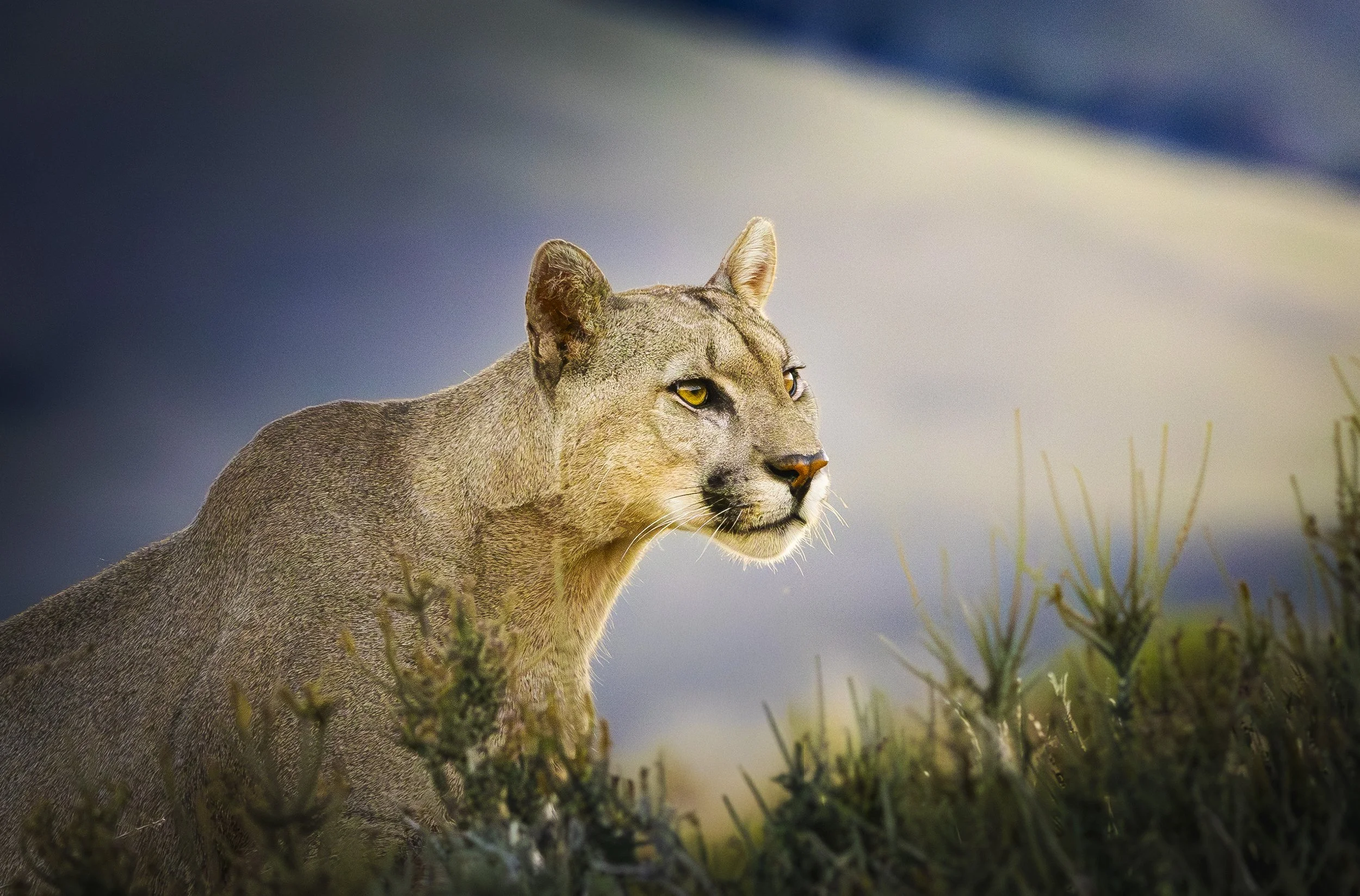
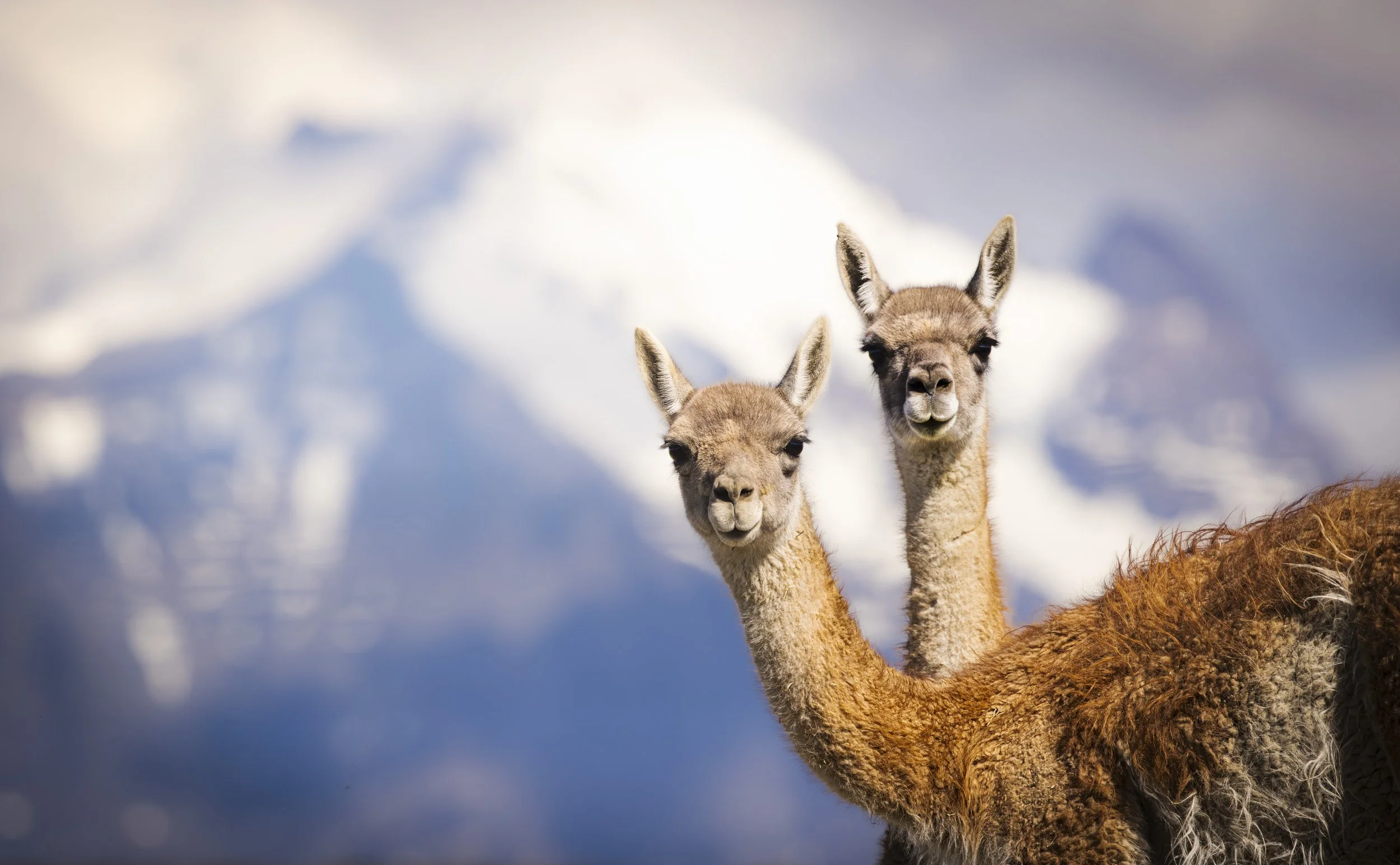
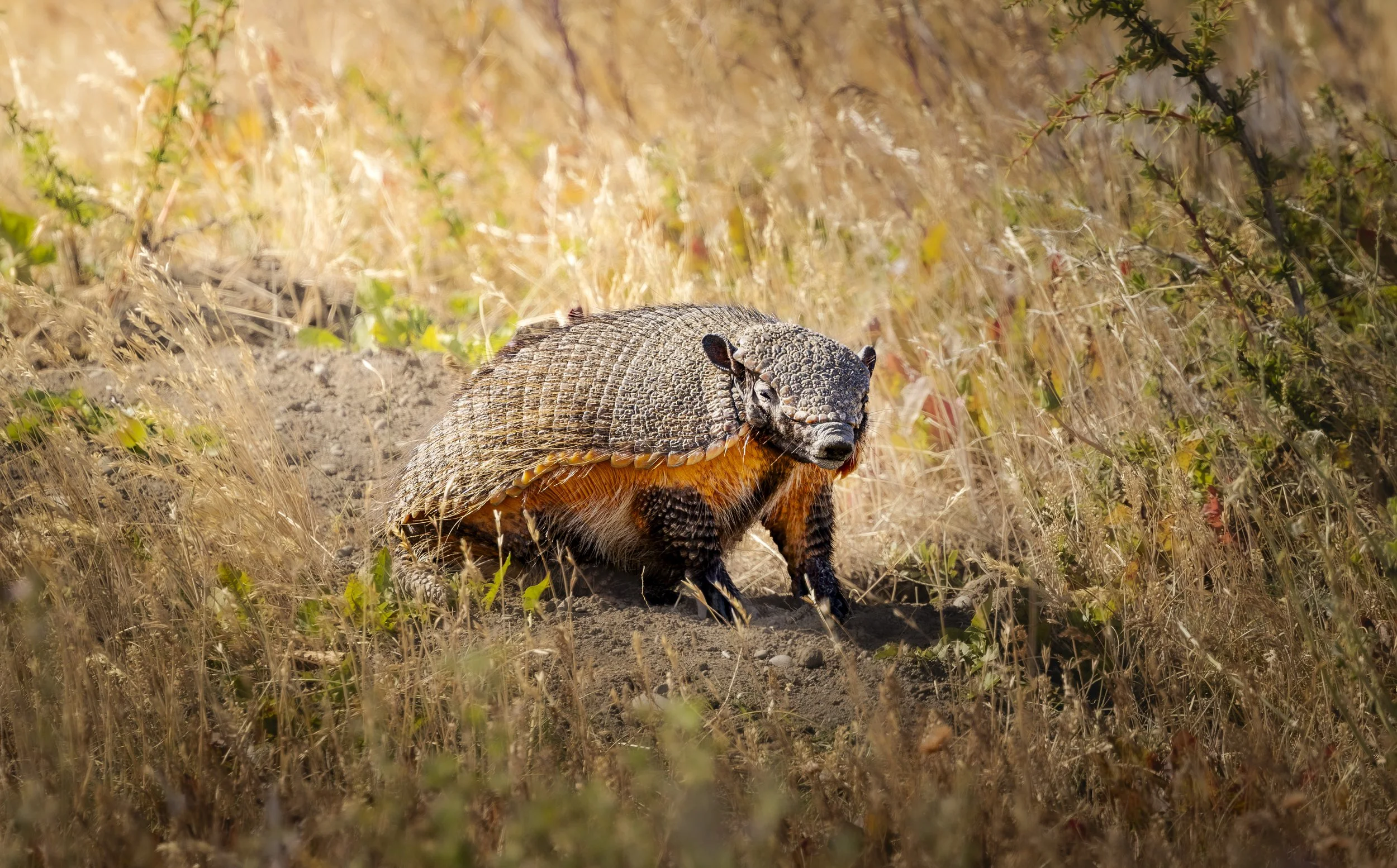
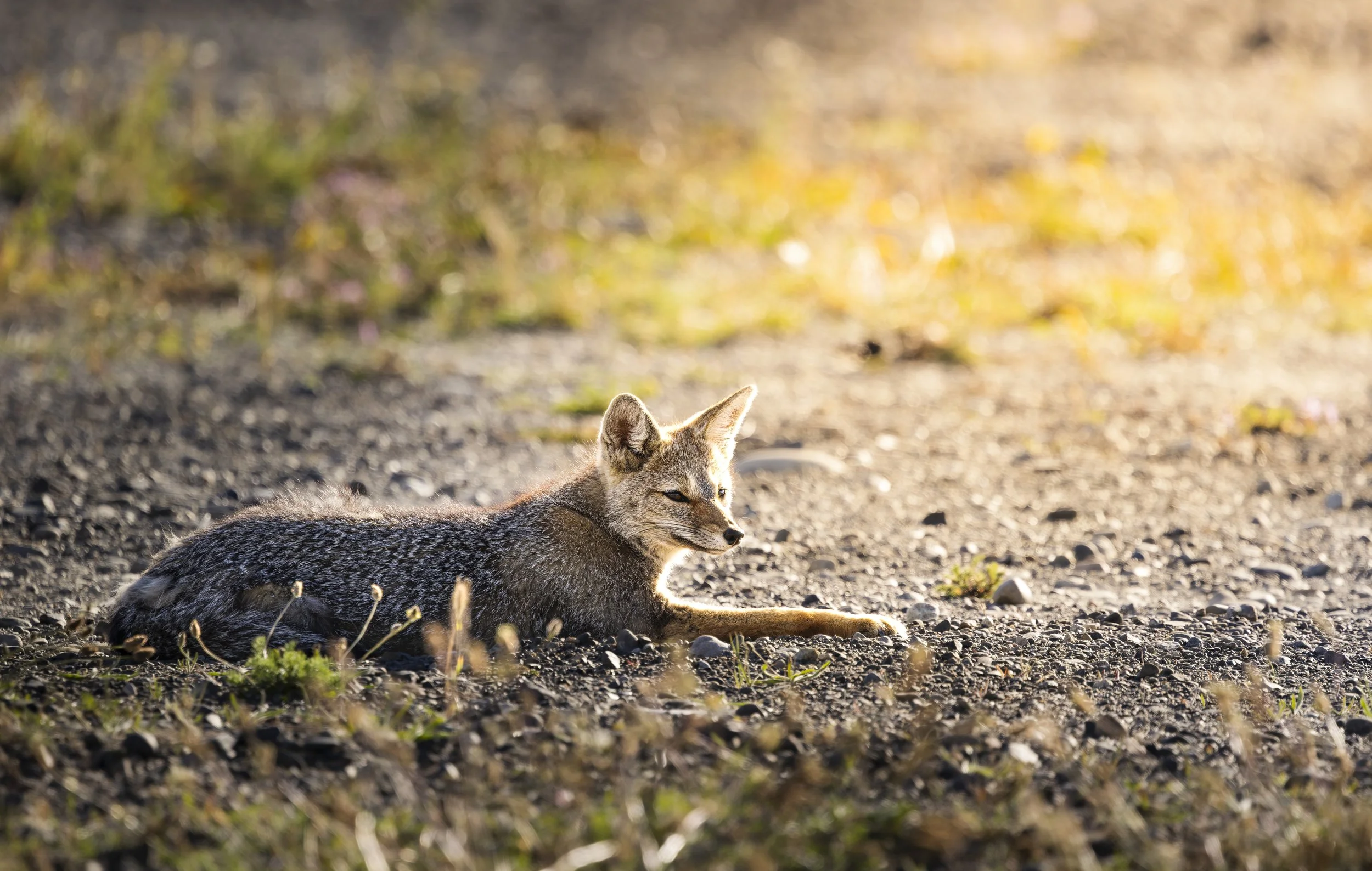
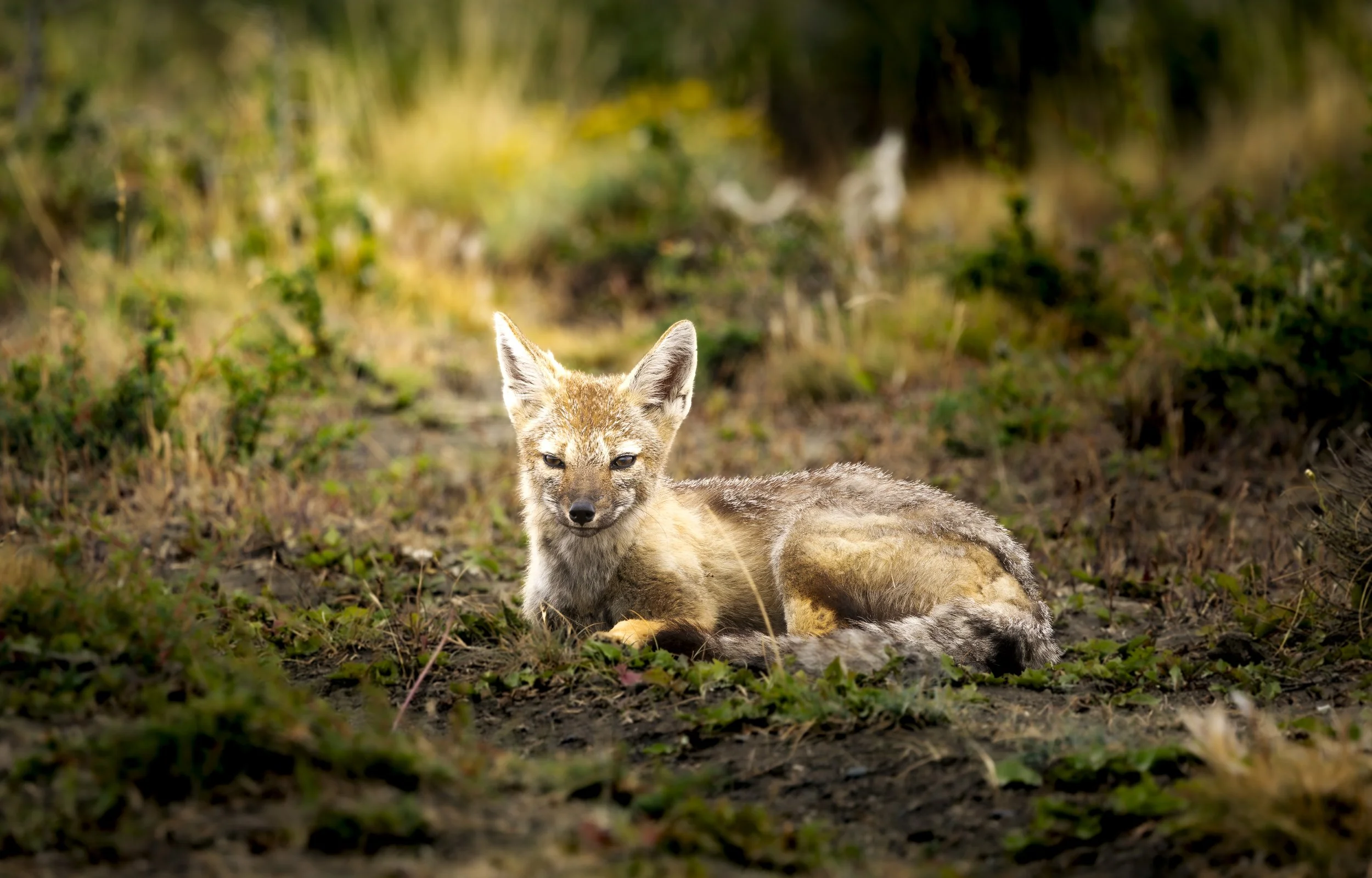
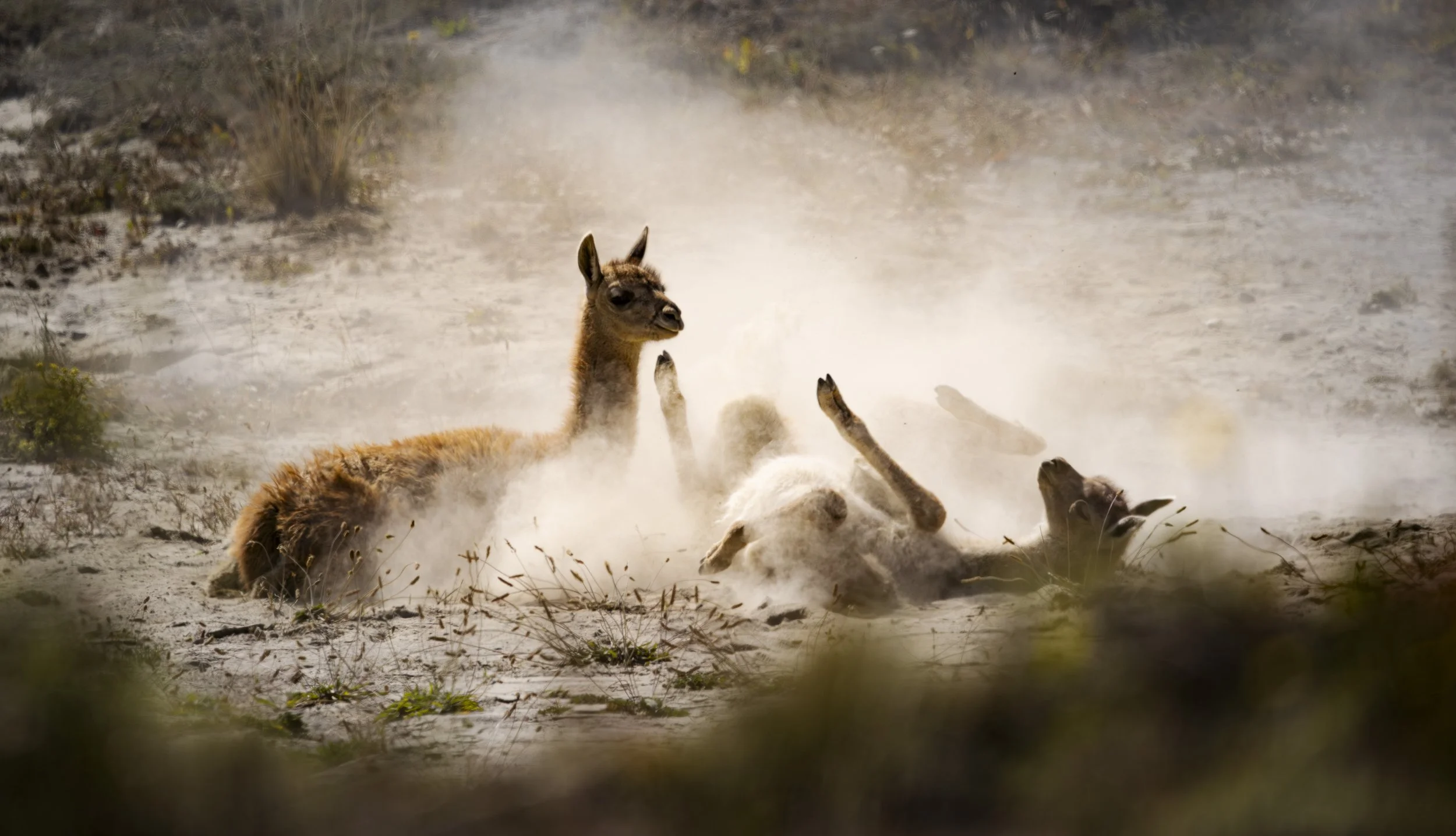
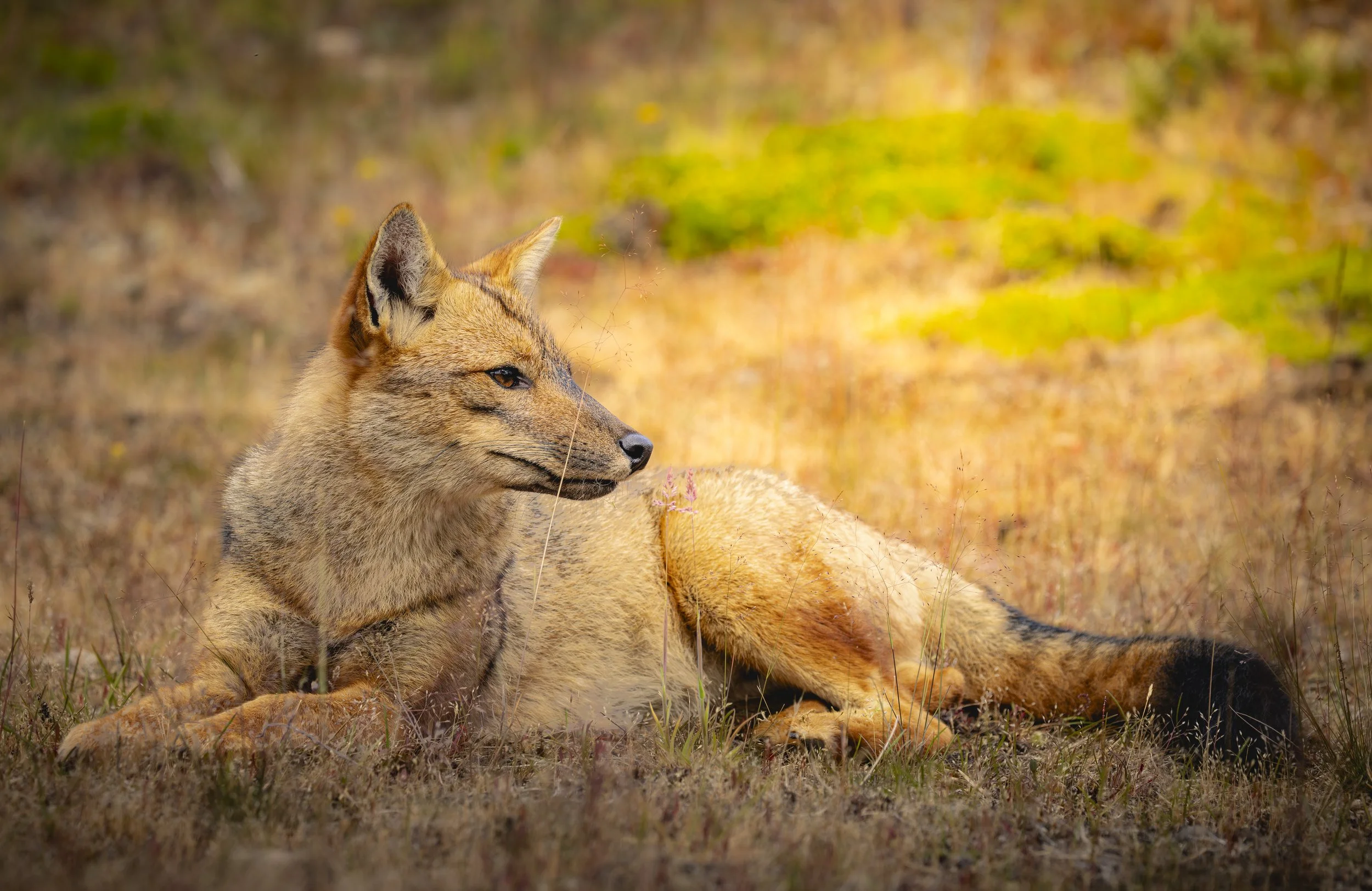
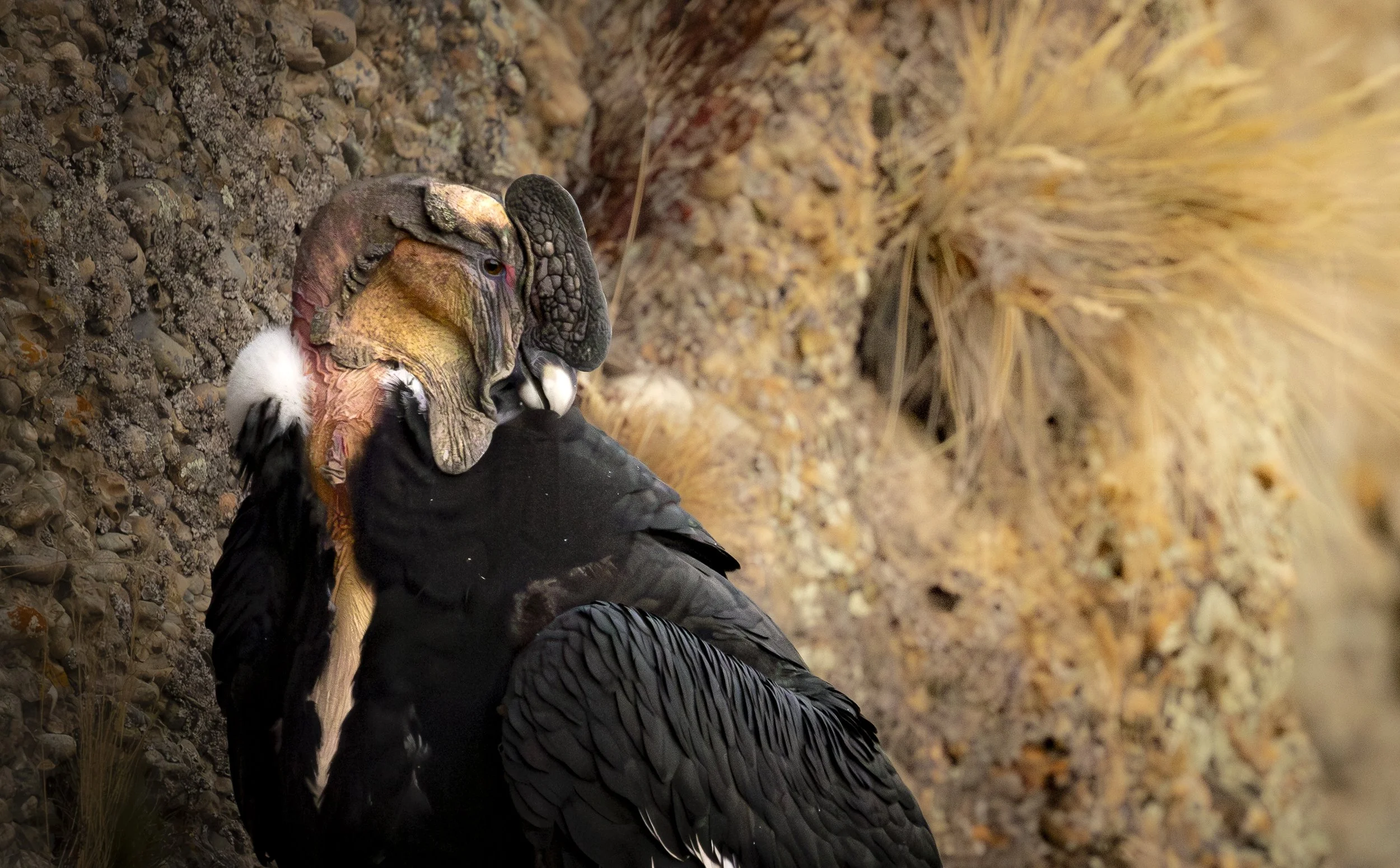
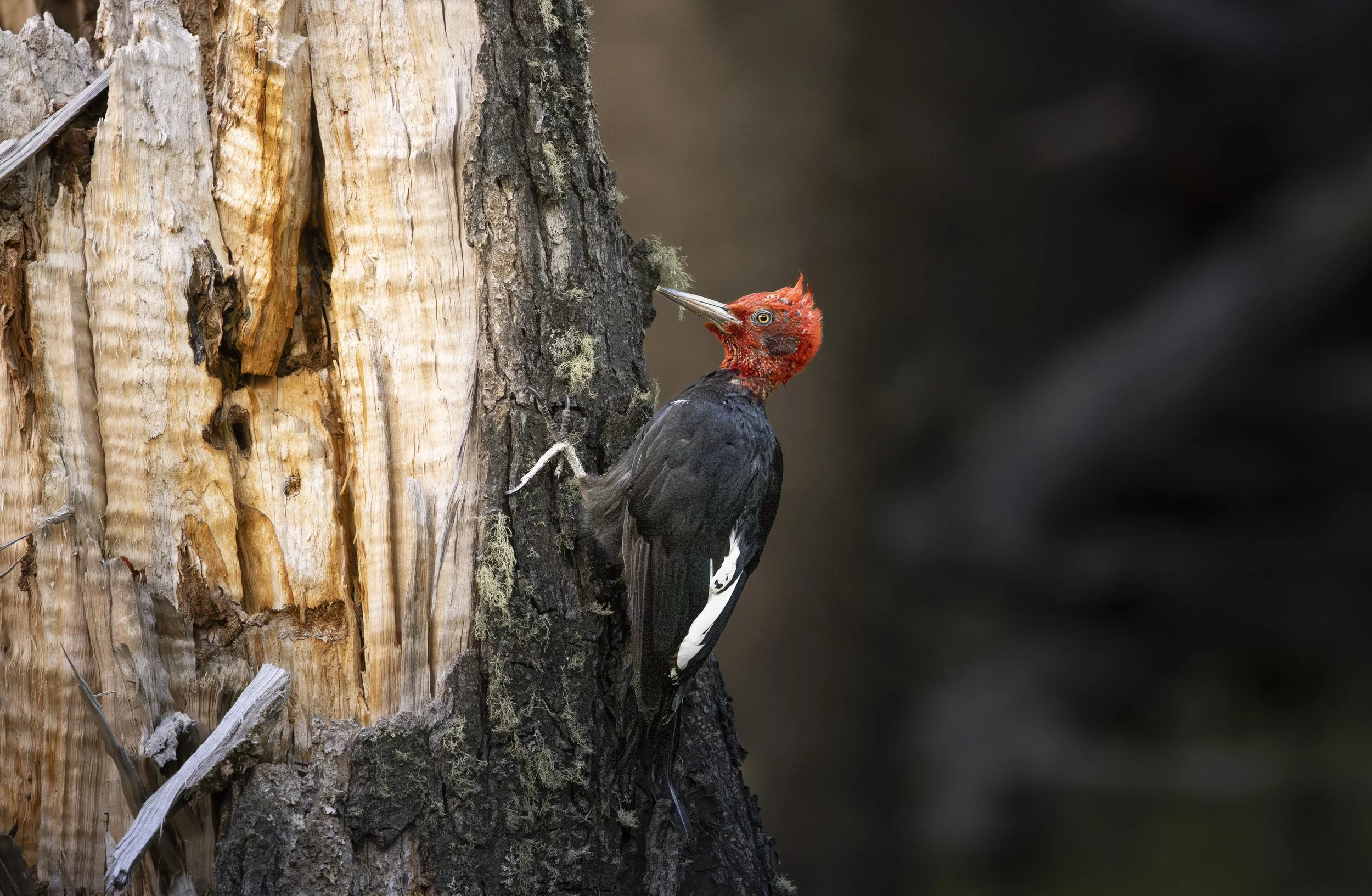
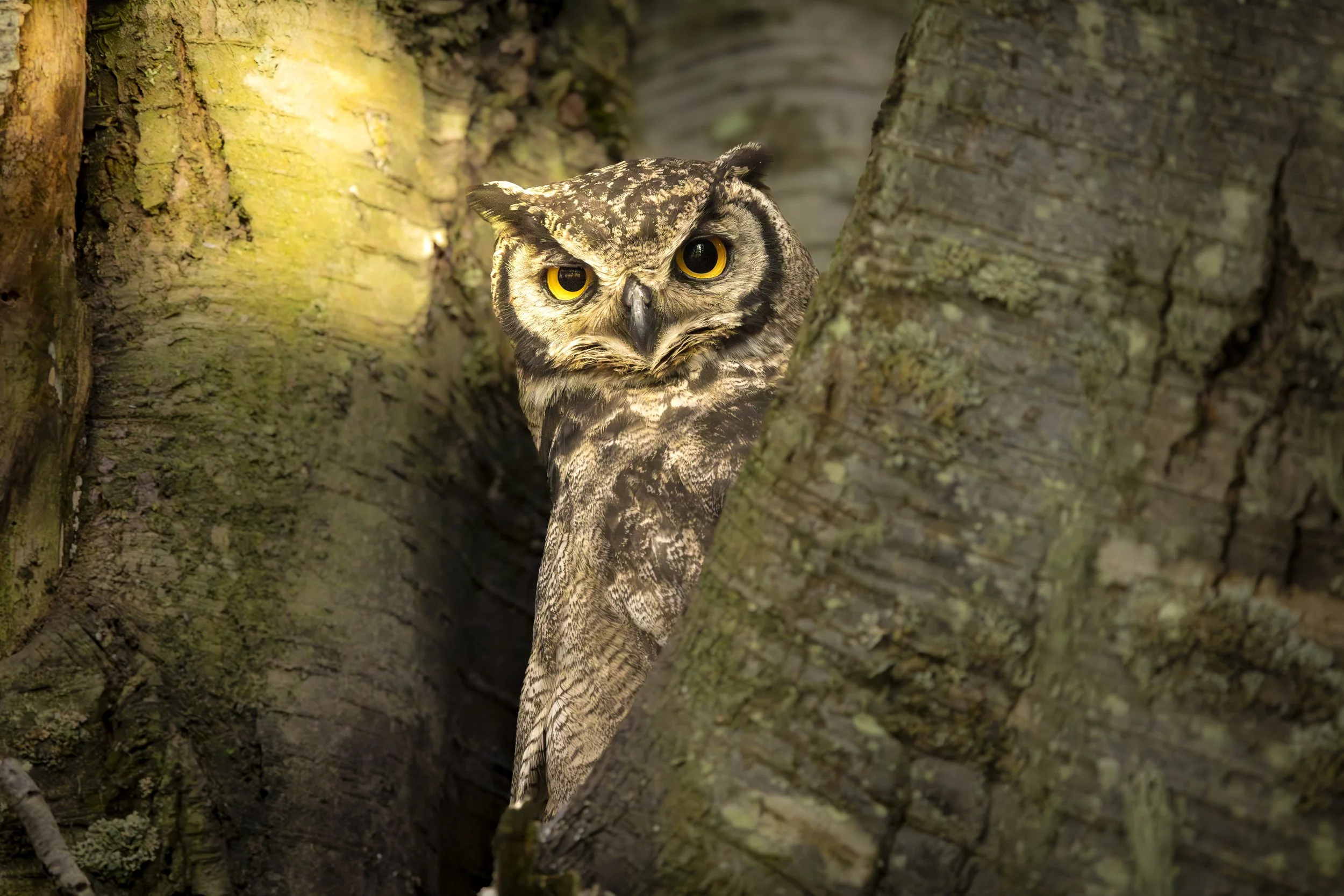
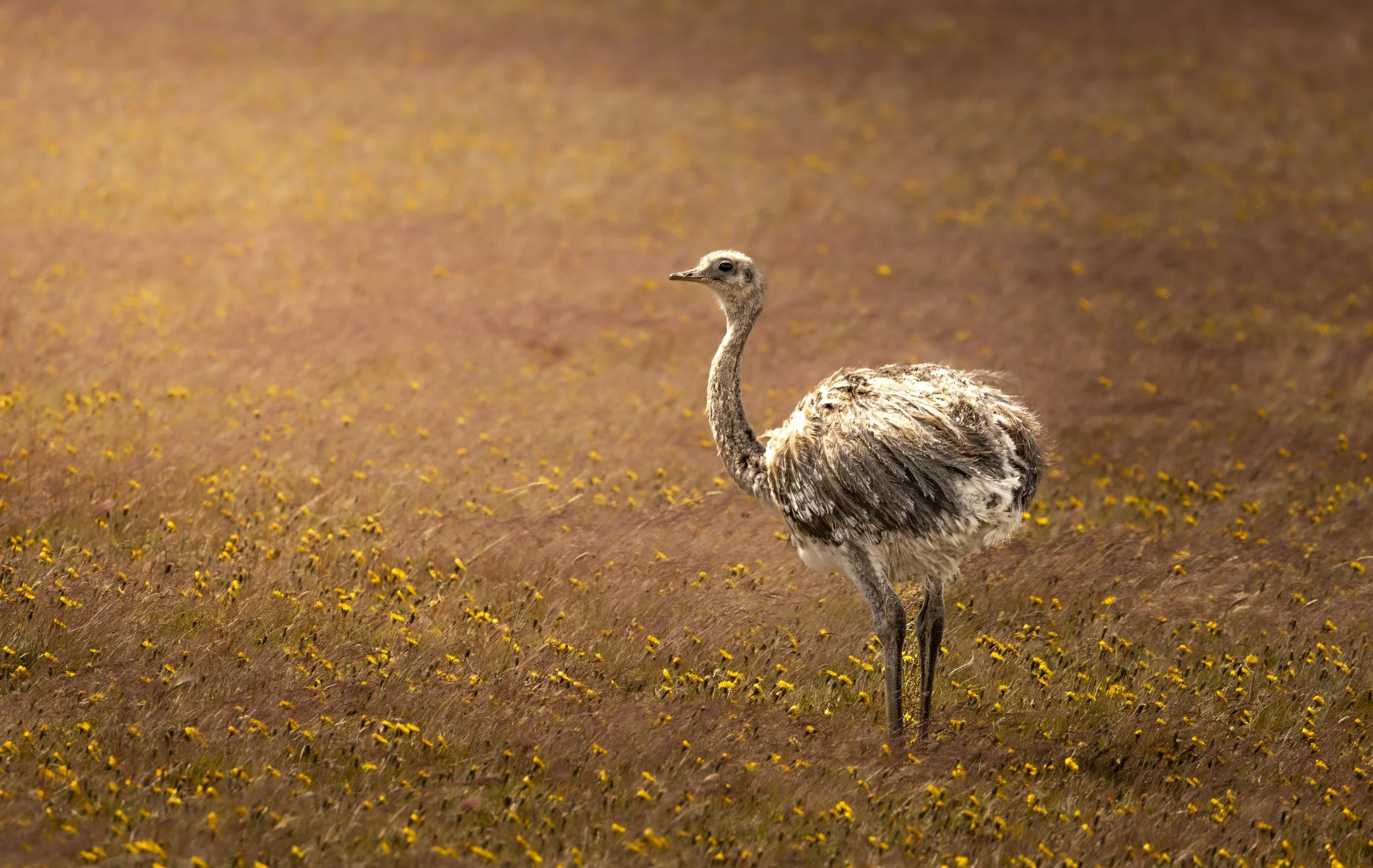
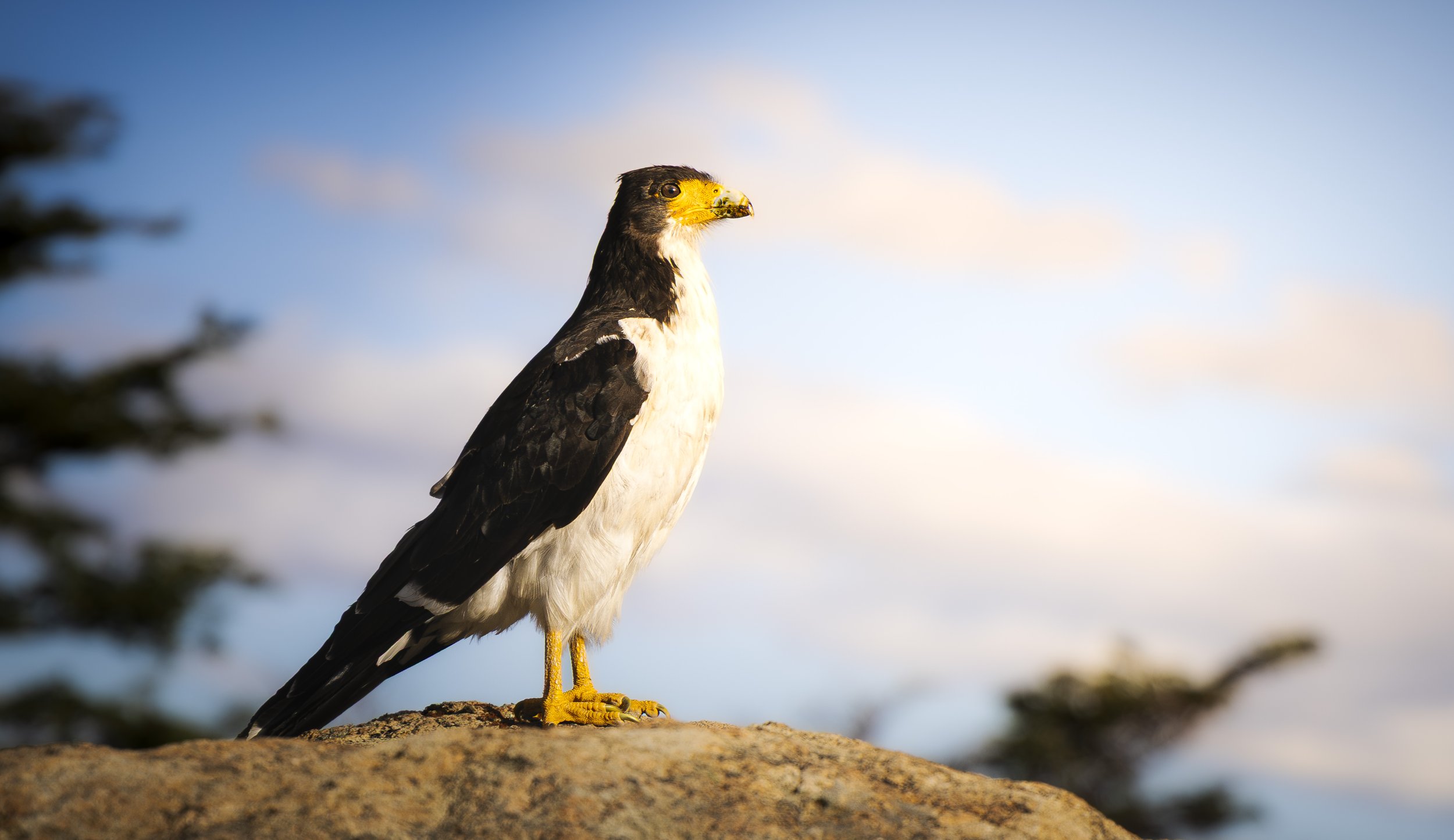
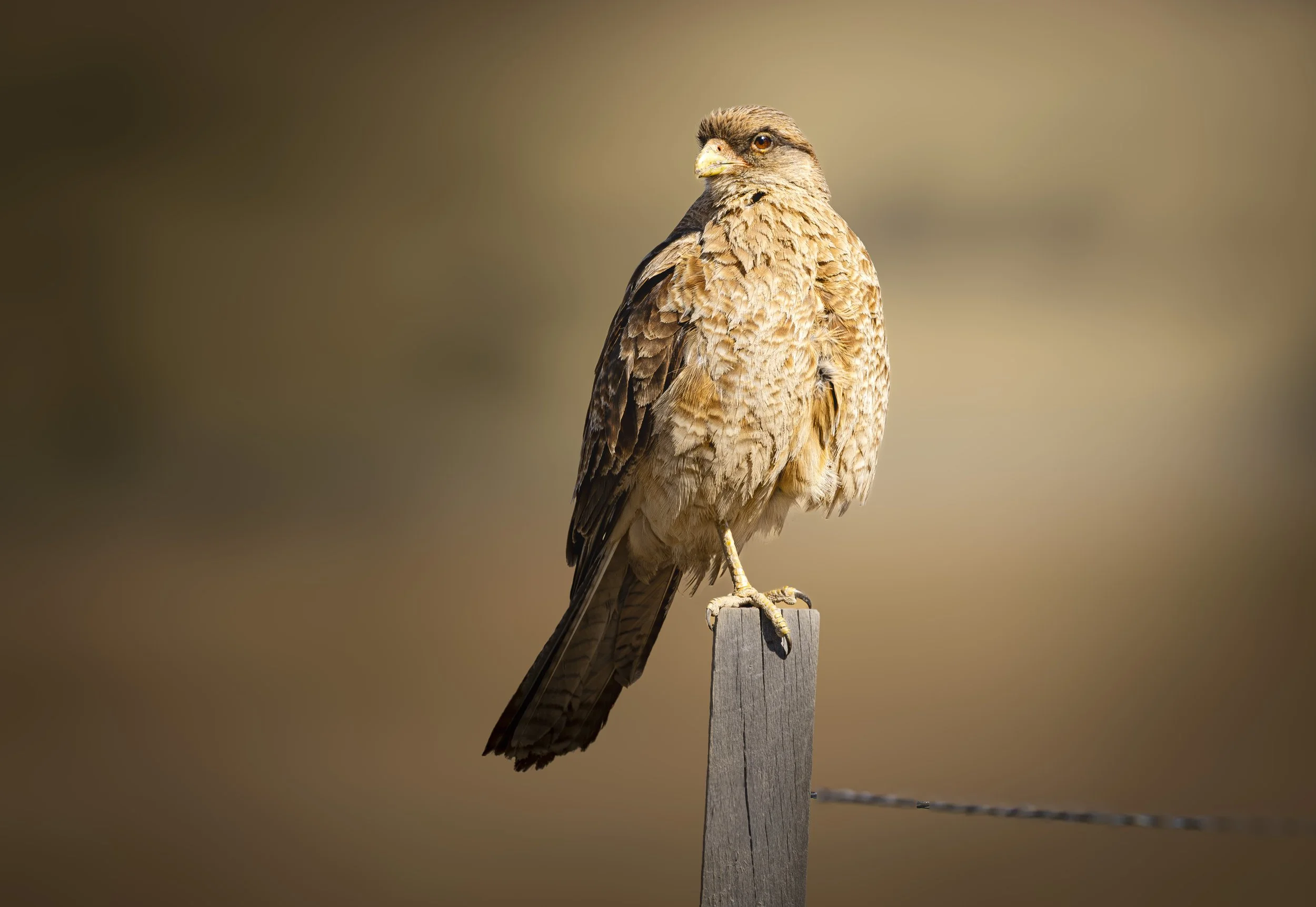
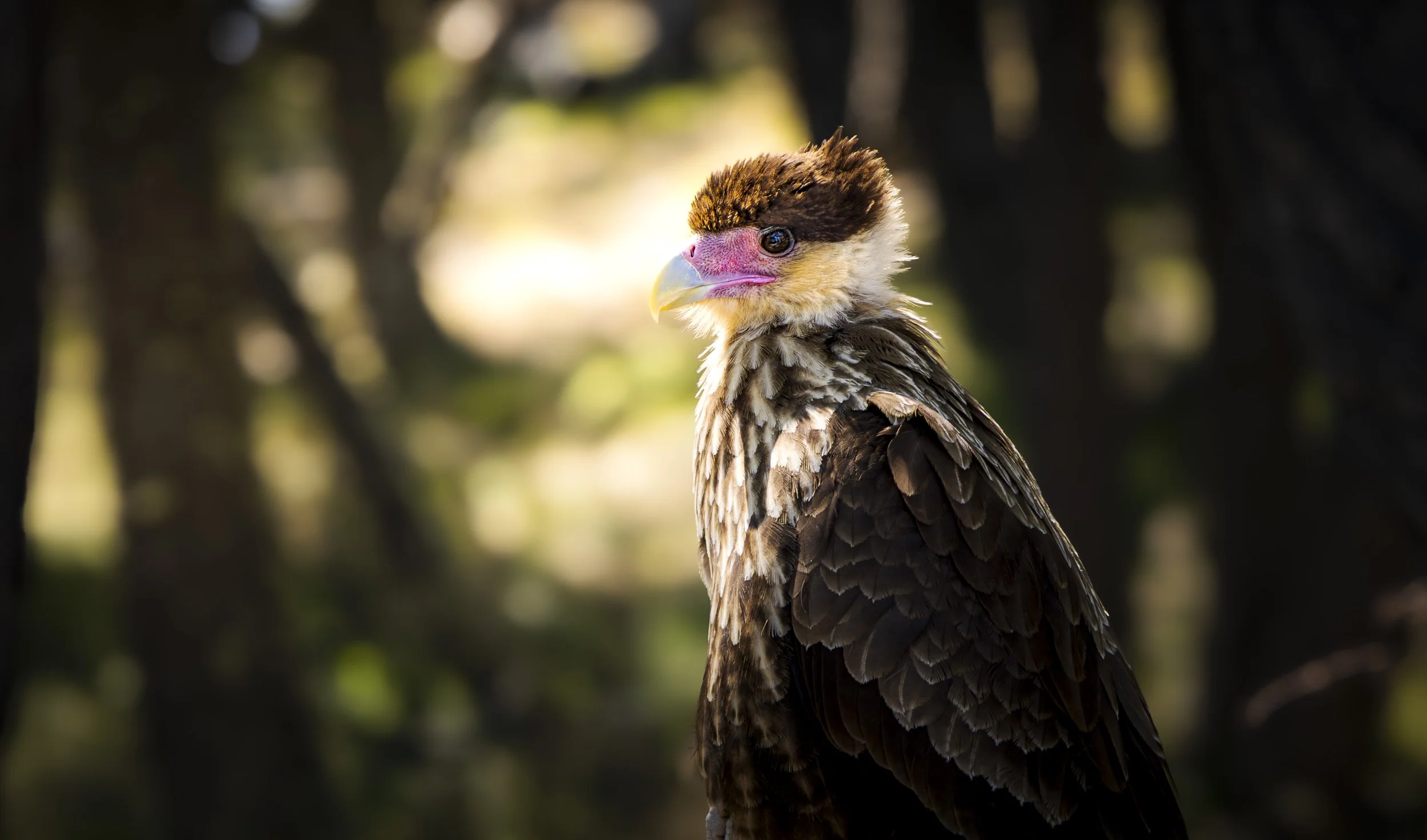
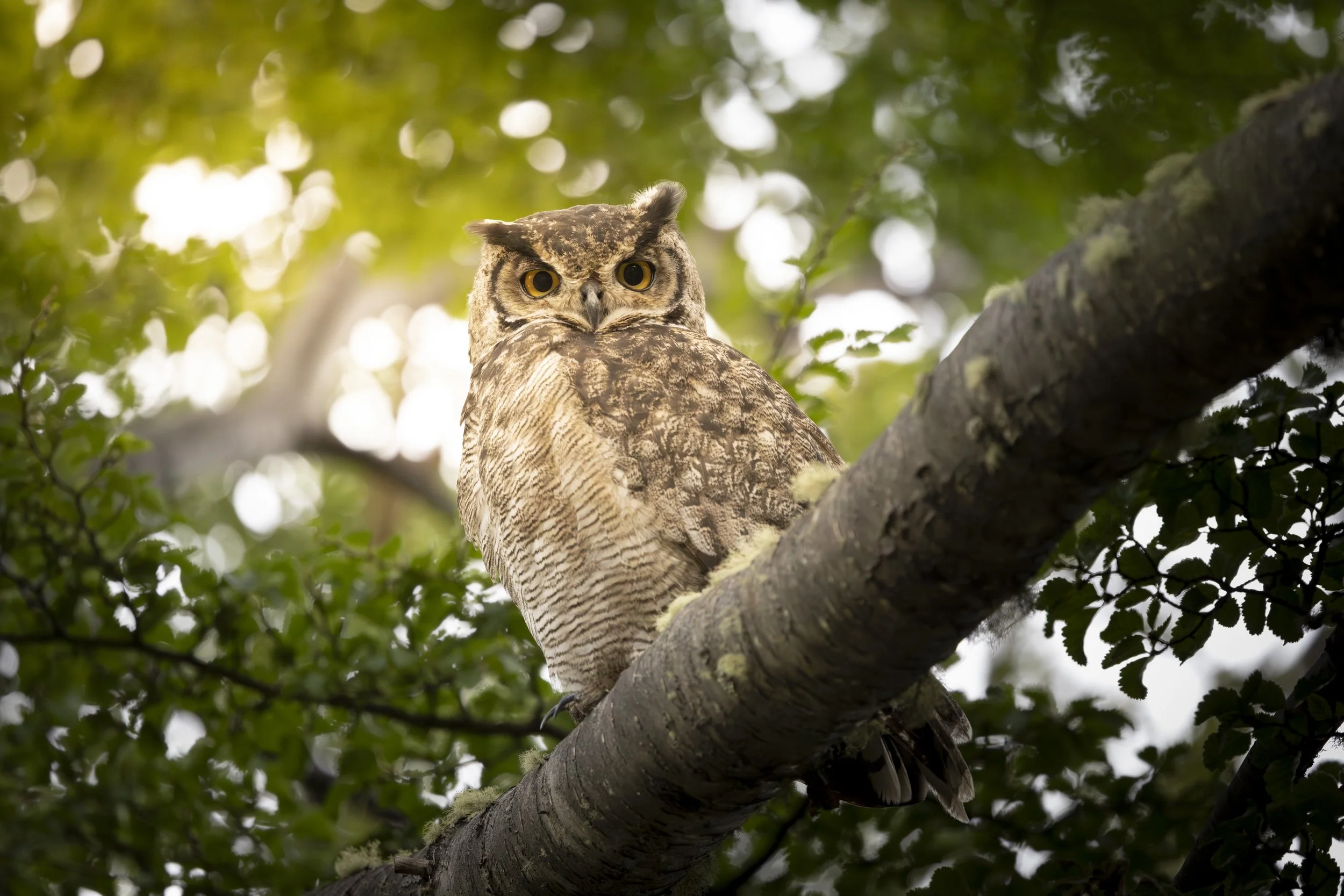
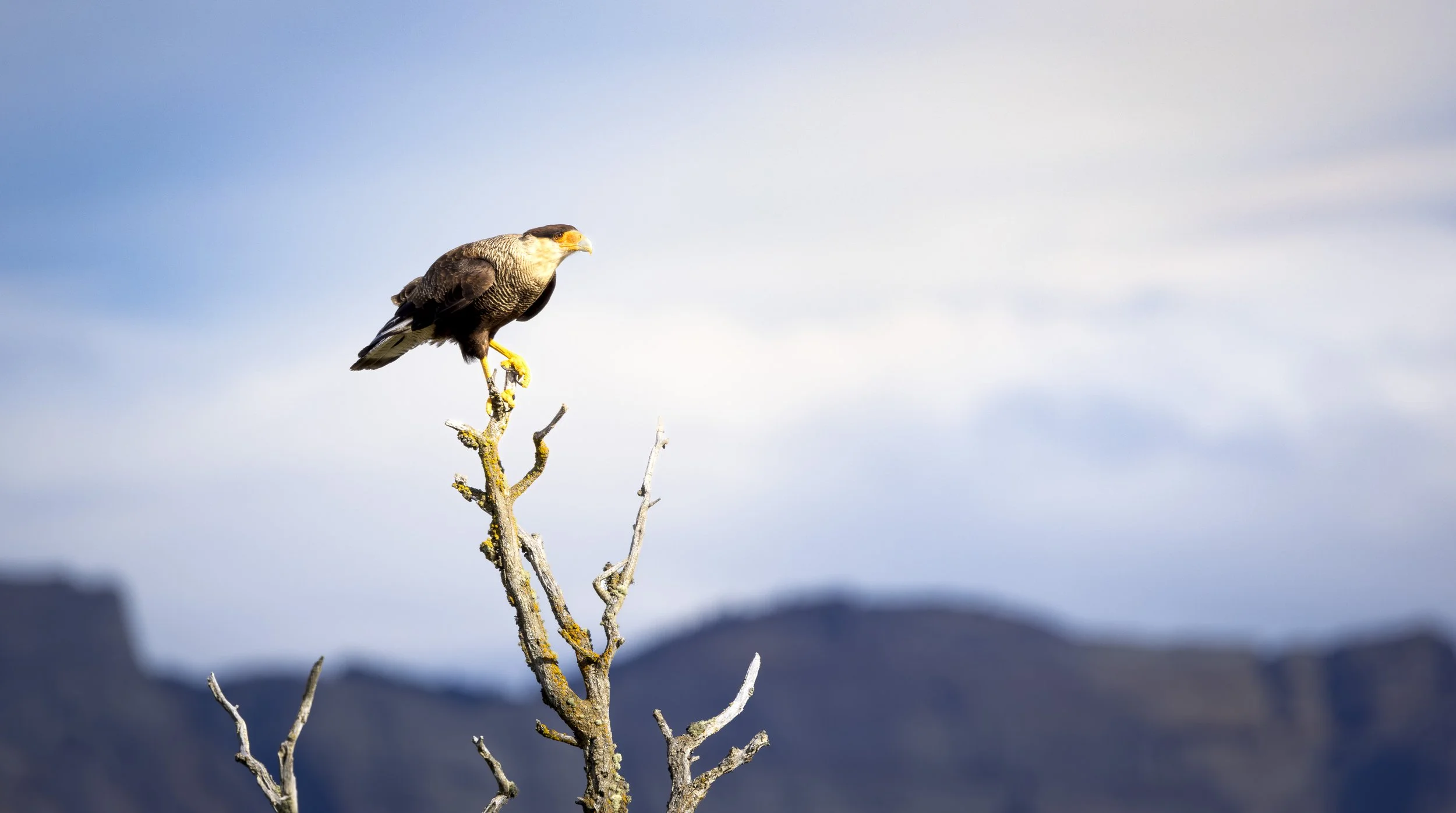
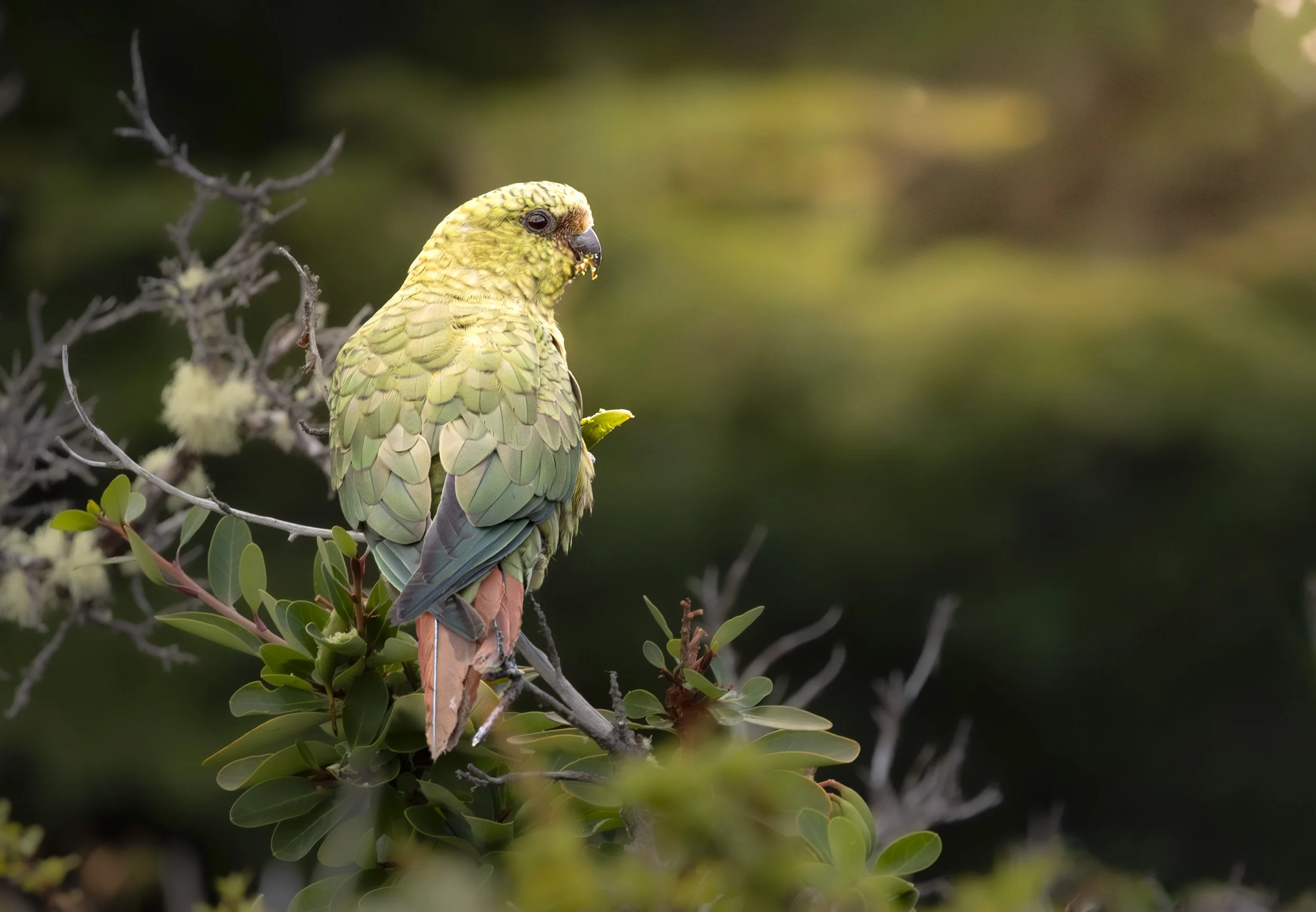
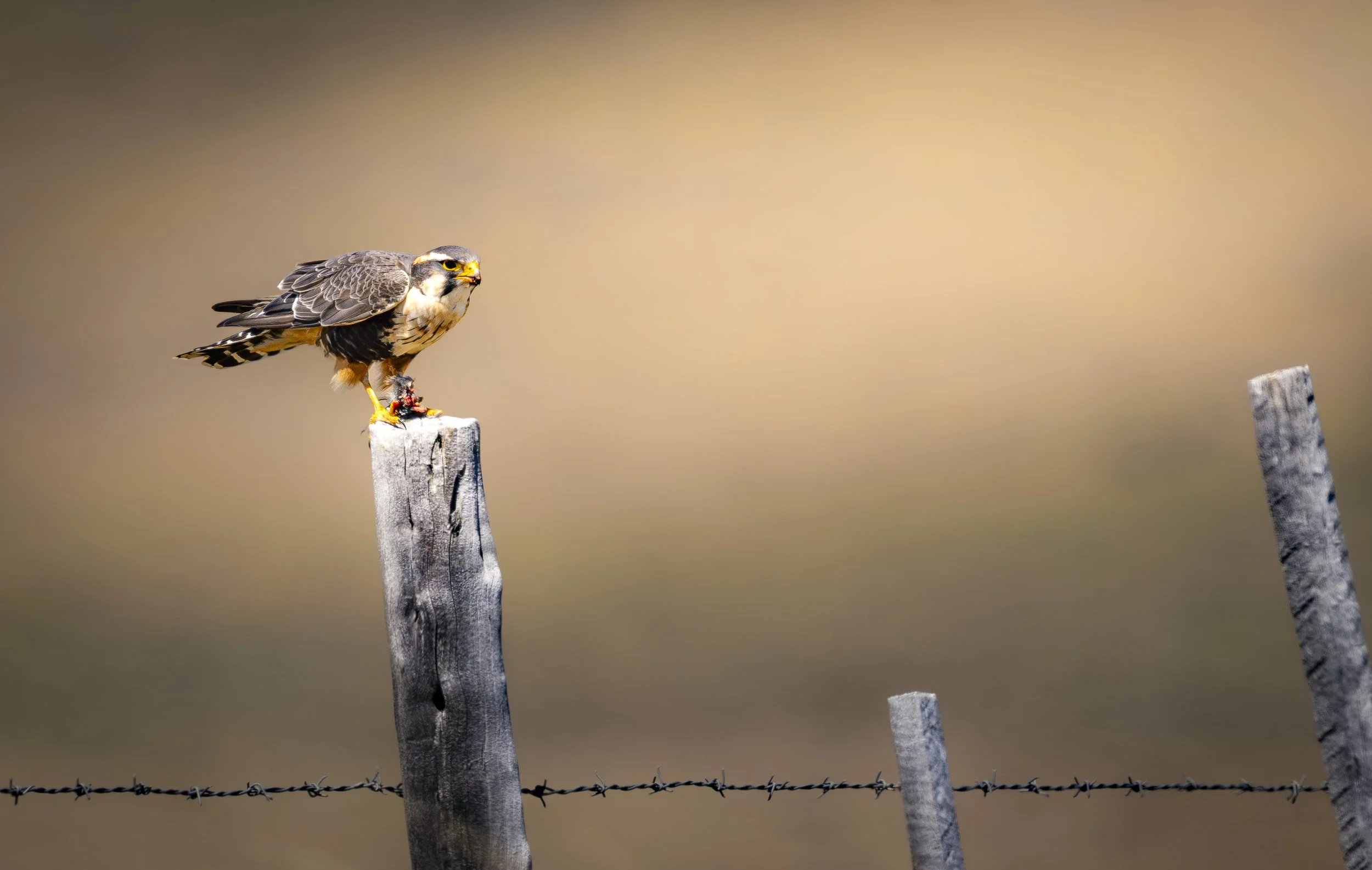
Patagonia had long occupied a place on my travel wish list. A land of vast horizons, rugged mountains, and untamed wilderness at the southern edge of the world. Stretching across southern Chile and Argentina, Patagonia is a landscape of dramatic contrasts, where jagged granite peaks rise above windswept grasslands, turquoise lakes, and ancient glaciers. We arrived in January with a simple goal: to hike among these legendary mountains and, if fortune smiled upon us, catch a glimpse of the elusive puma. What we discovered was far more than we expected. Beyond the iconic peaks of Torres del Paine and the trails around El Chaltén, Patagonia revealed itself as a wildlife-rich landscape teeming with life. Guanacos dotted the open plains, foxes appeared along quiet roadsides, armadillos shuffled through the scrub, and birds seemed to accompany us wherever we wandered. The long summer days provided endless hours for exploration, and the surprisingly warm temperatures were a far cry from the cold wilderness we had imagined. Dusty roads, golden evening light, and seemingly endless daylight became the backdrop to our journey. For photographers, Patagonia is nothing short of extraordinary. Every turn in the road reveals a new composition, from towering mountain vistas and dramatic skies to intimate wildlife encounters. It is a place that feels wild, remote, and endlessly inspiring—a destination where adventure and photography go hand in hand.

Protecting Patagonia's Apex Predator
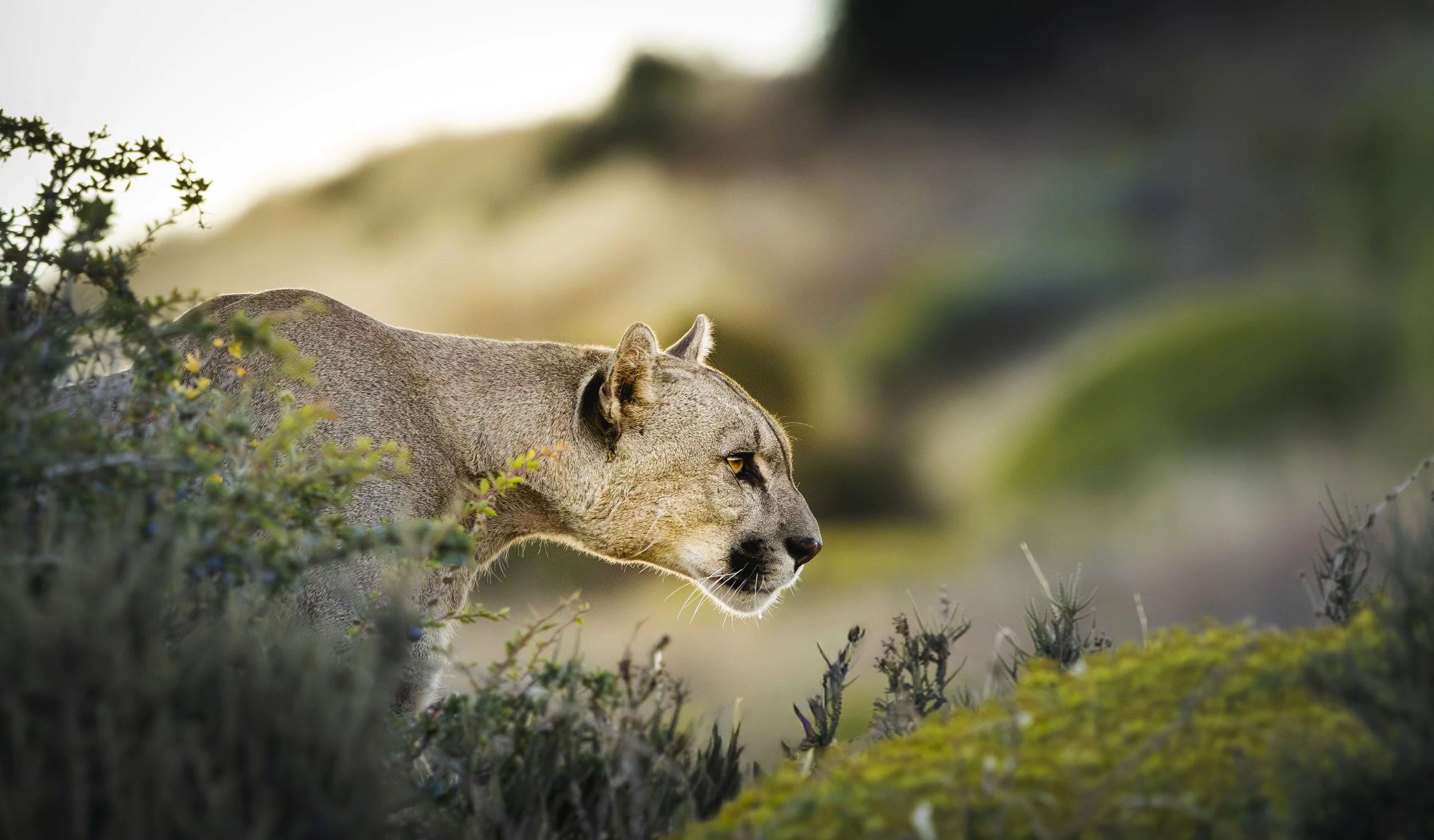
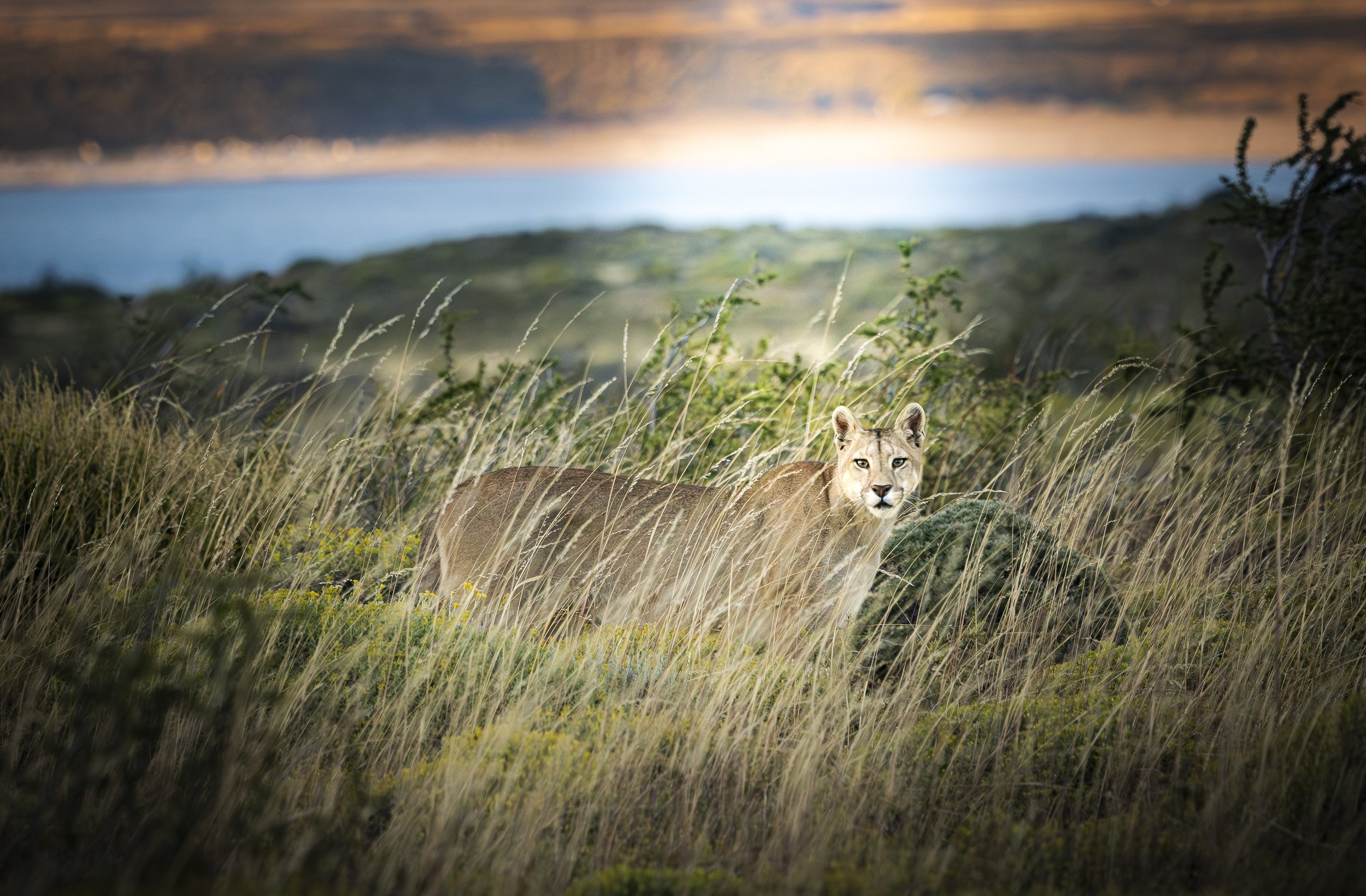
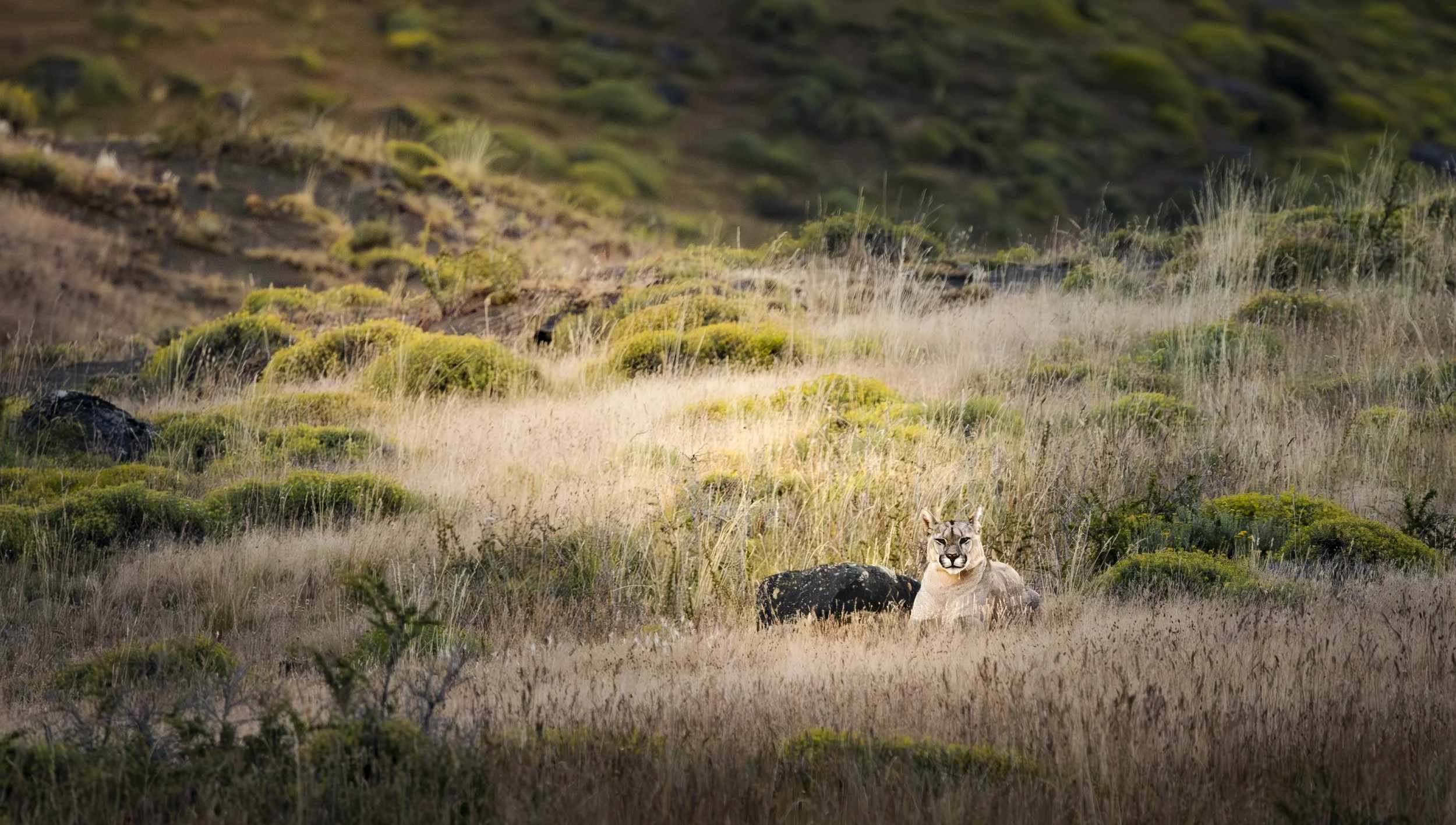
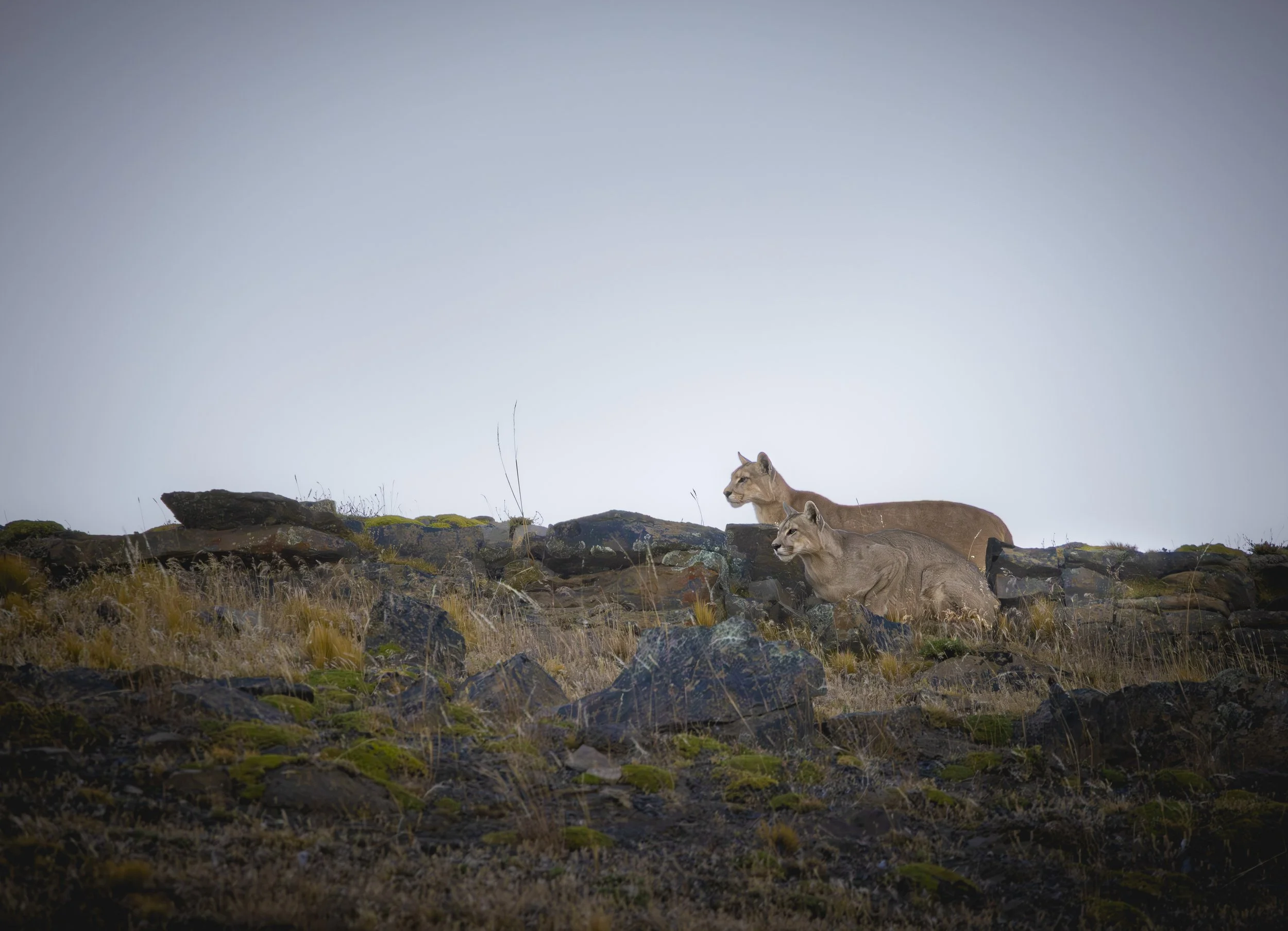
The open grasslands and rolling steppes surrounding Torres del Paine are home to one of the highest densities of pumas found anywhere on Earth. But, this wasn't always the case. For decades, pumas were viewed as a threat to sheep ranching operations and were routinely hunted across Patagonia. In recent years, however, attitudes have begun to shift. Several estancias bordering the national park have embraced conservation-focused tourism, while others have been purchased and managed with wildlife protection as a priority. Large tracts of former ranchland now provide important habitat and movement corridors for pumas, guanacos, foxes, and countless bird species. At the same time, many ranchers have adopted non-lethal methods to reduce livestock losses, including the use of guardian livestock dogs that help protect sheep while allowing pumas to remain on the landscape. These efforts have demonstrated that coexistence is possible, benefiting both local livelihoods and the region's wildlife.
Tourism has played a critical role in driving this transformation. Visitors from around the world travel to Patagonia hoping to catch a glimpse of a wild puma, creating an economic incentive to protect these elusive cats rather than persecute them. When conducted responsibly, wildlife tourism channels revenue directly into local communities through guides, accommodations, transportation providers, and conservation initiatives. The value of a living puma now extends far beyond a single ranch boundary, helping support jobs while encouraging the preservation of the wider ecosystem. Because pumas sit at the top of the food chain, protecting them also safeguards the guanacos they hunt, the grasslands they roam, and the remarkable diversity of life that depends on this landscape. The puma has become an ambassador for conservation in Torres del Paine, and acts as a reminder that protecting one species can help preserve an entire ecosystem for future generations.