South Georgia & the Falklands

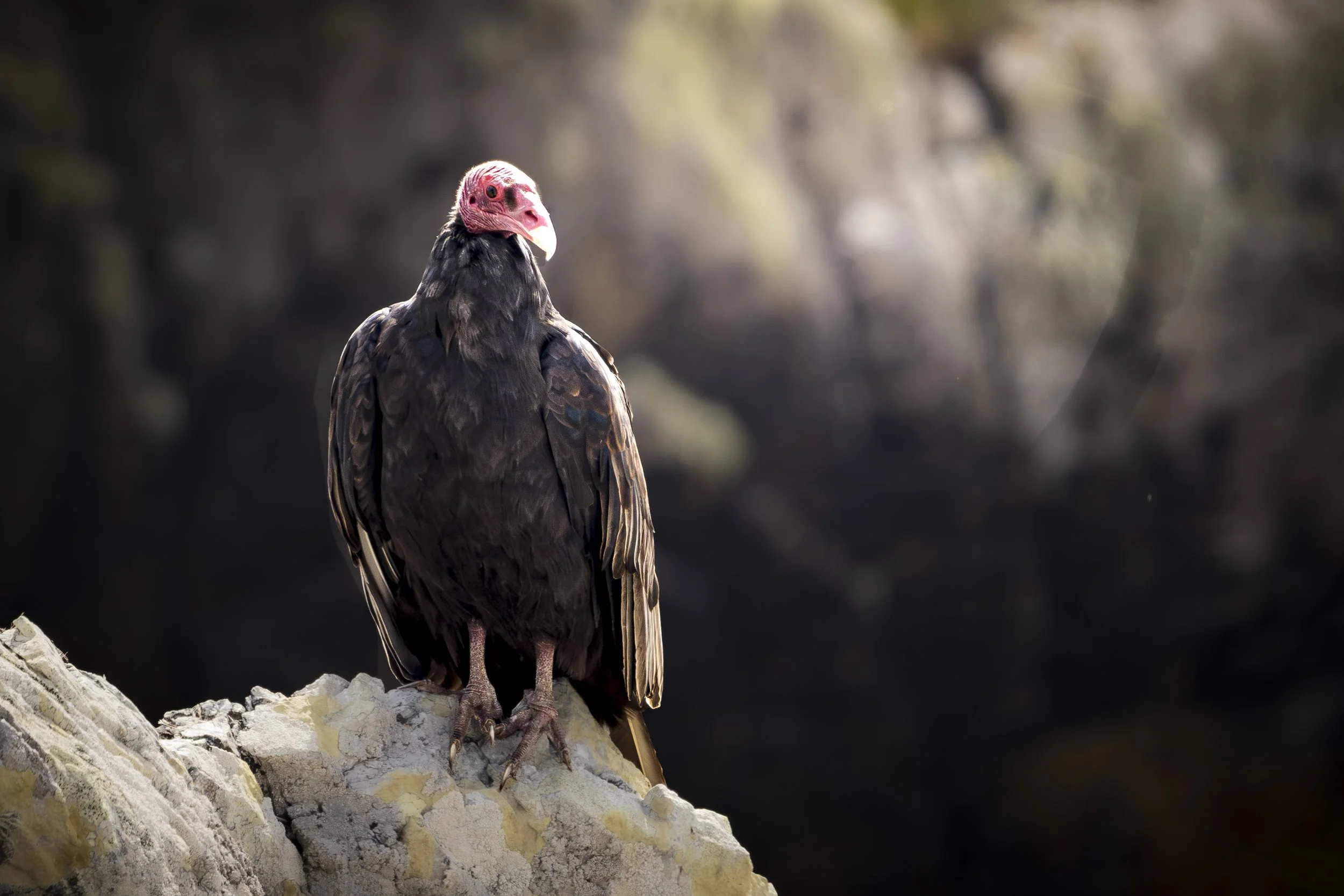
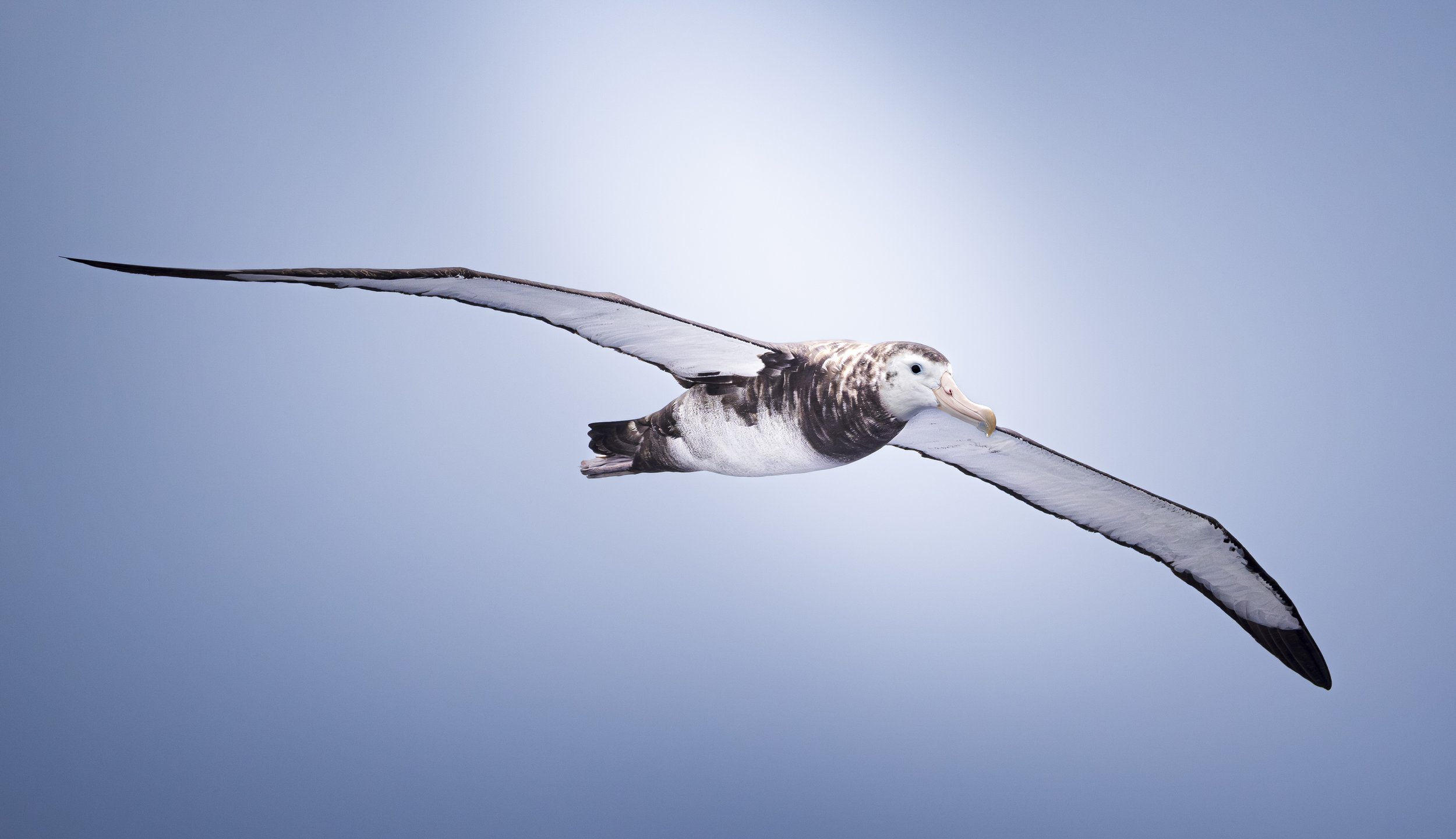
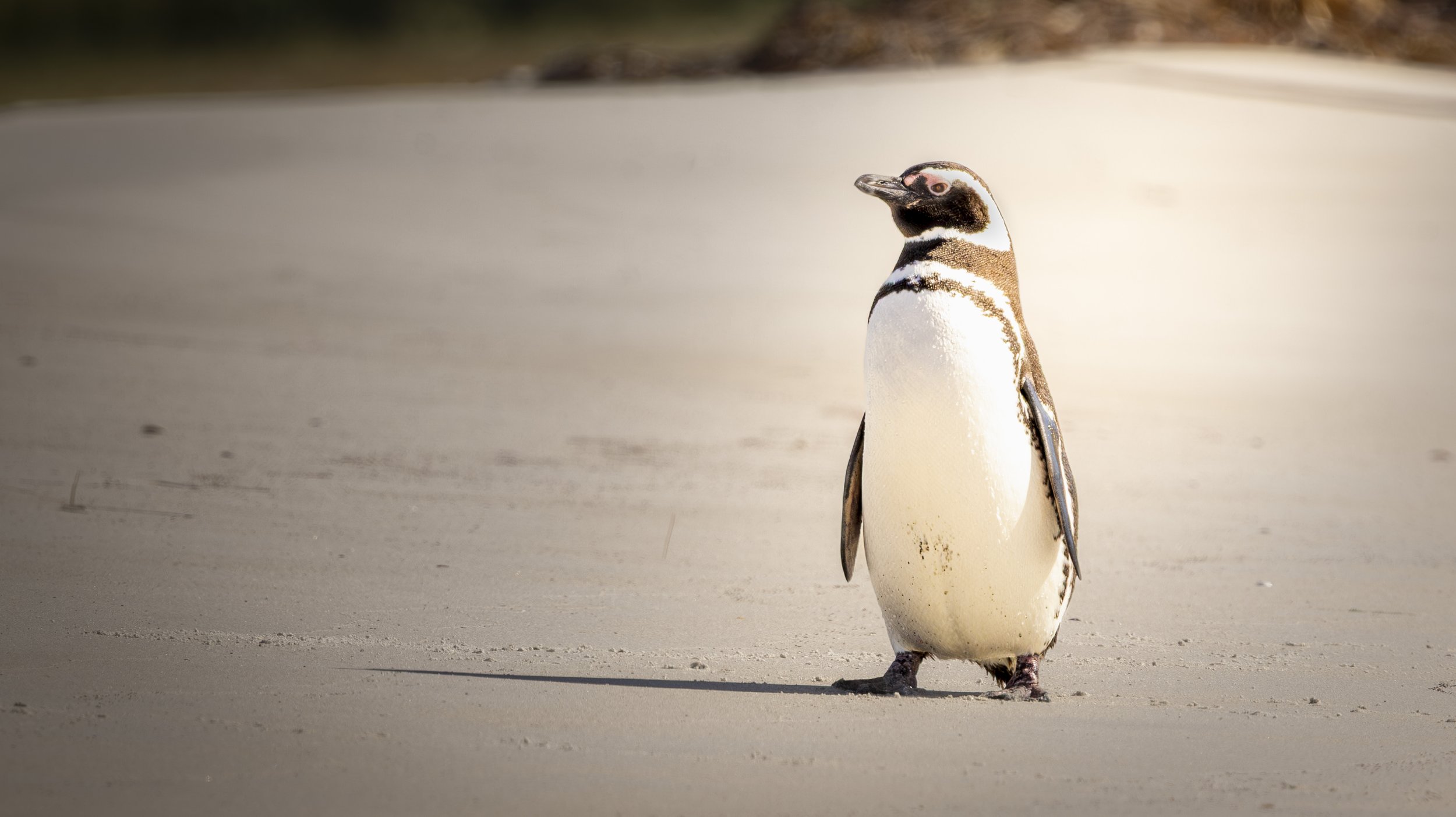
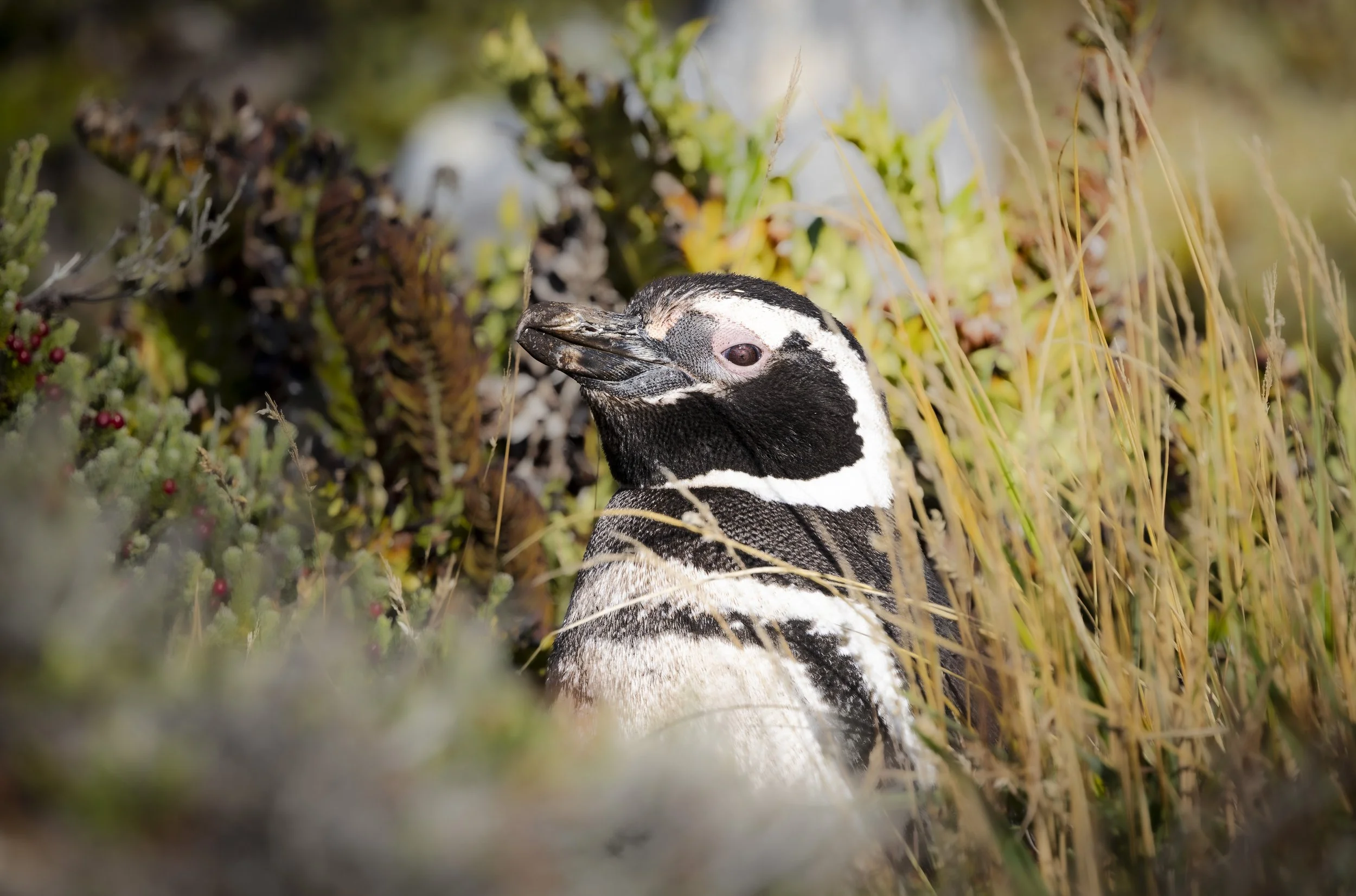
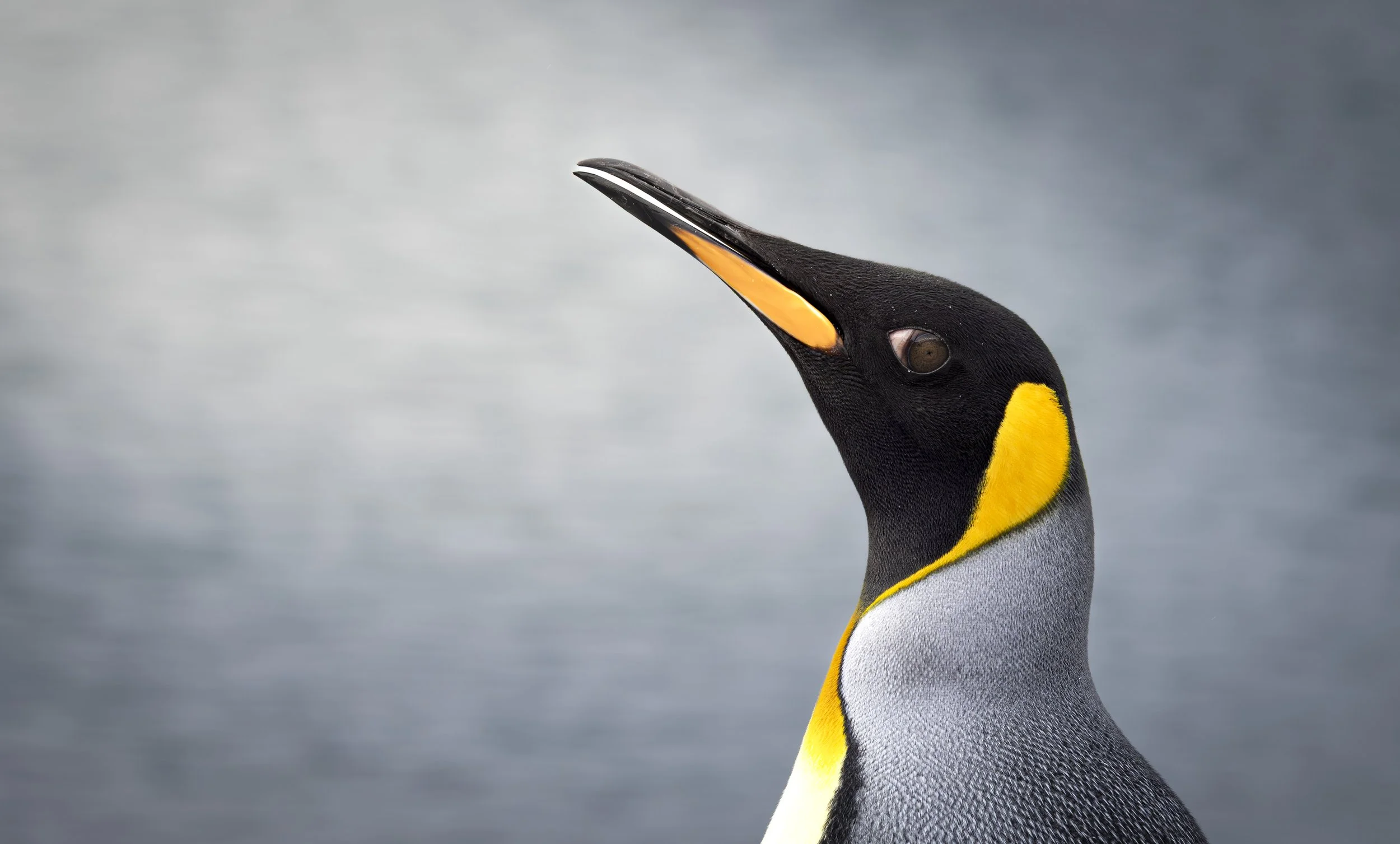
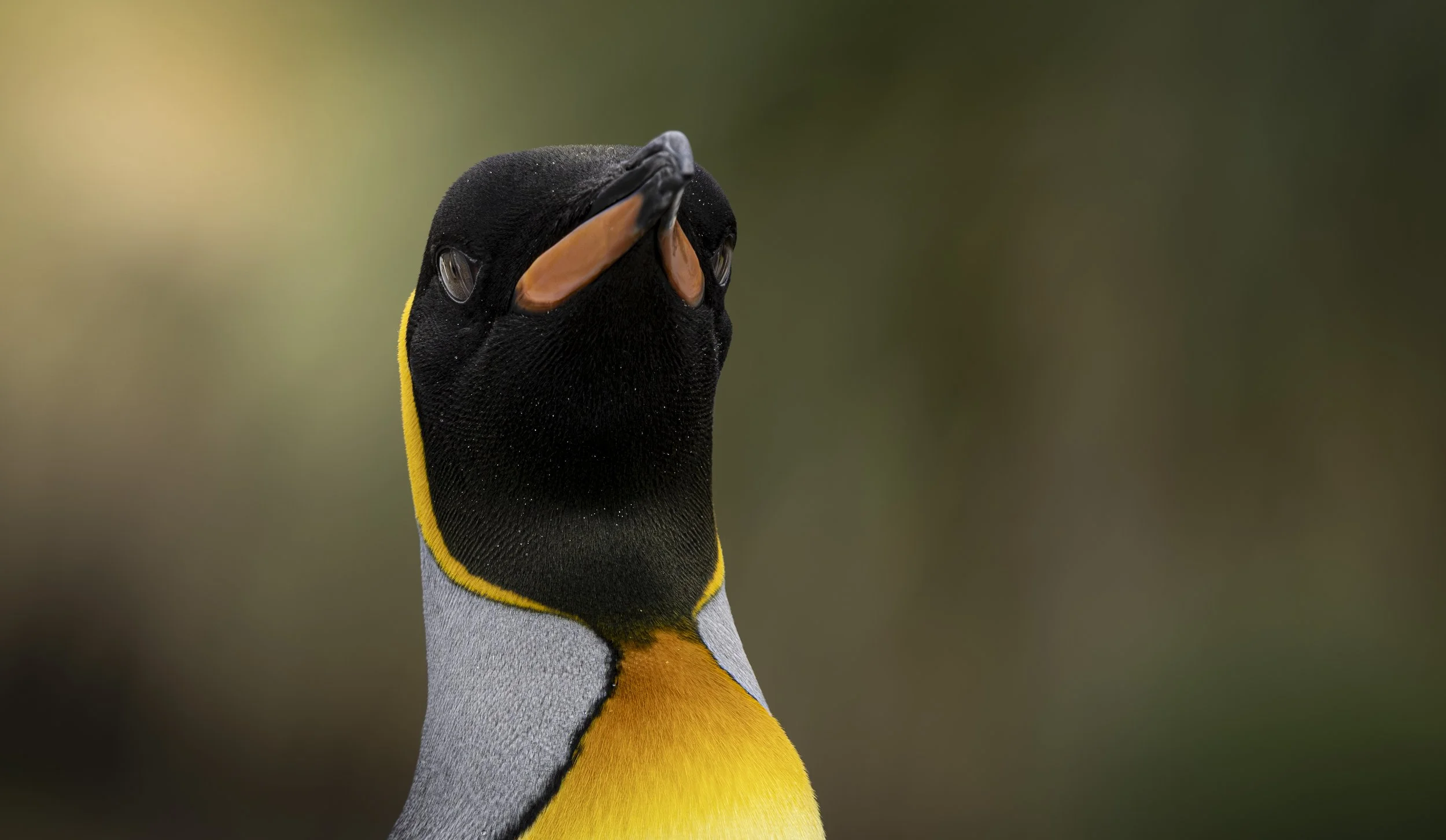
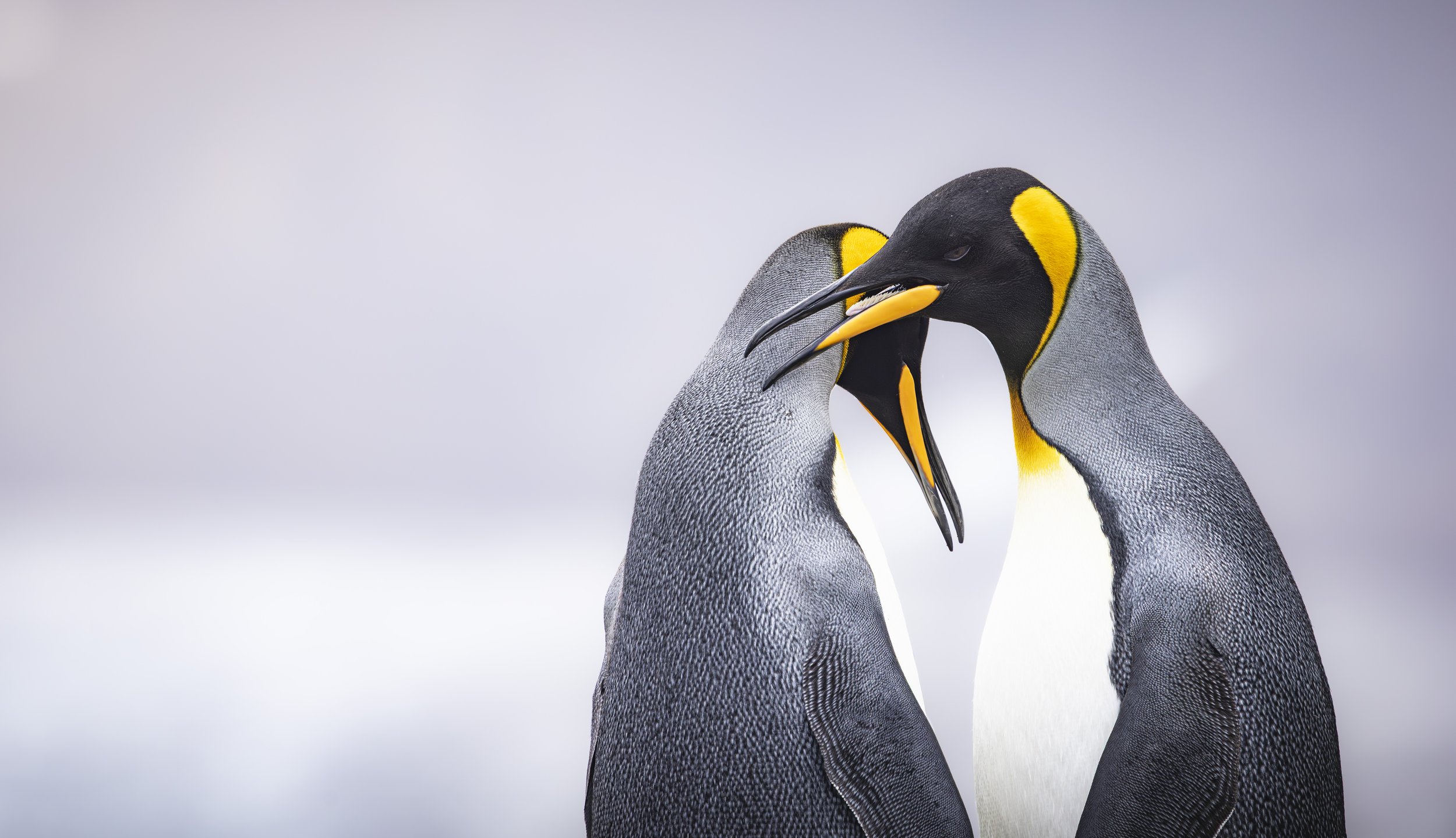
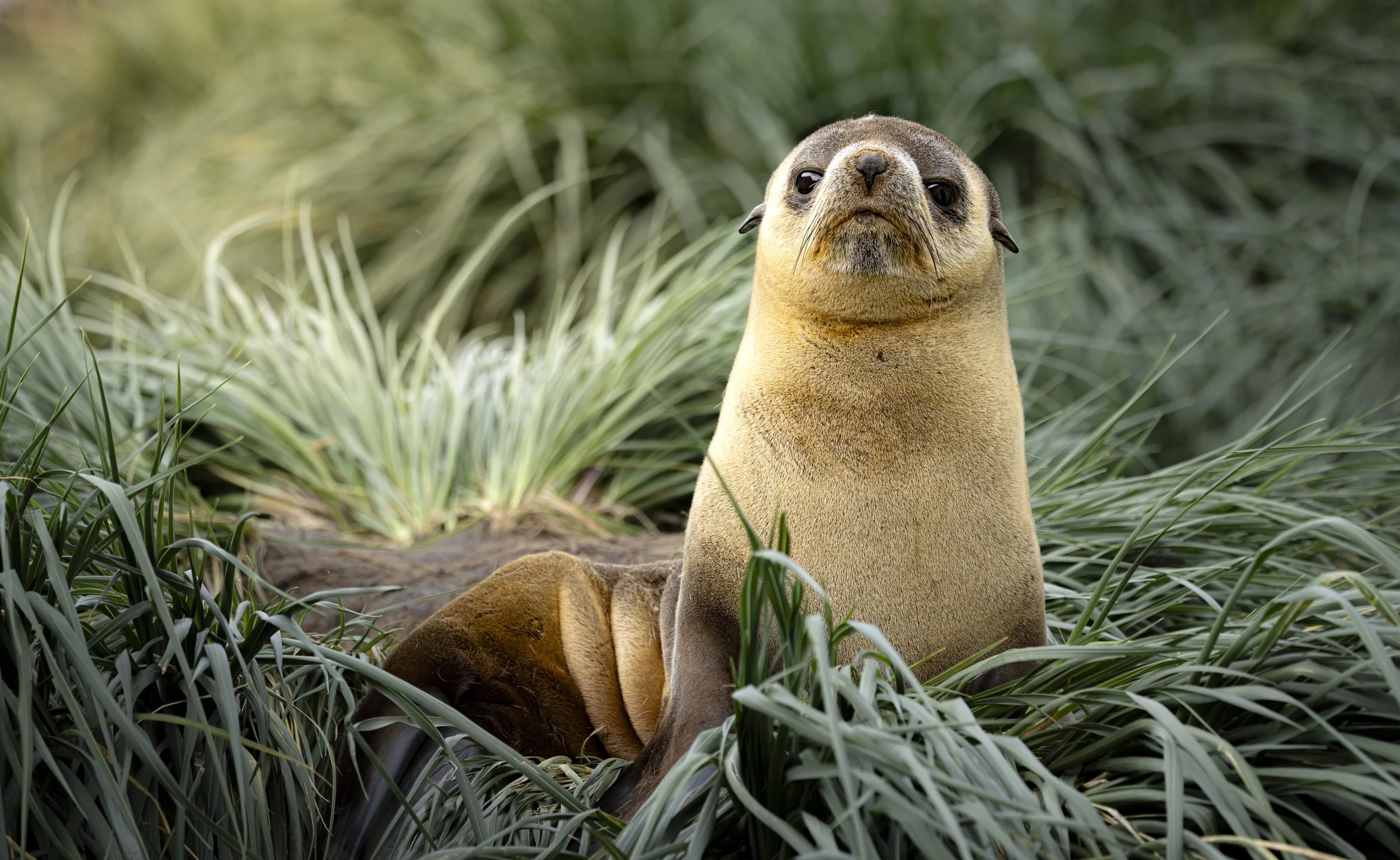
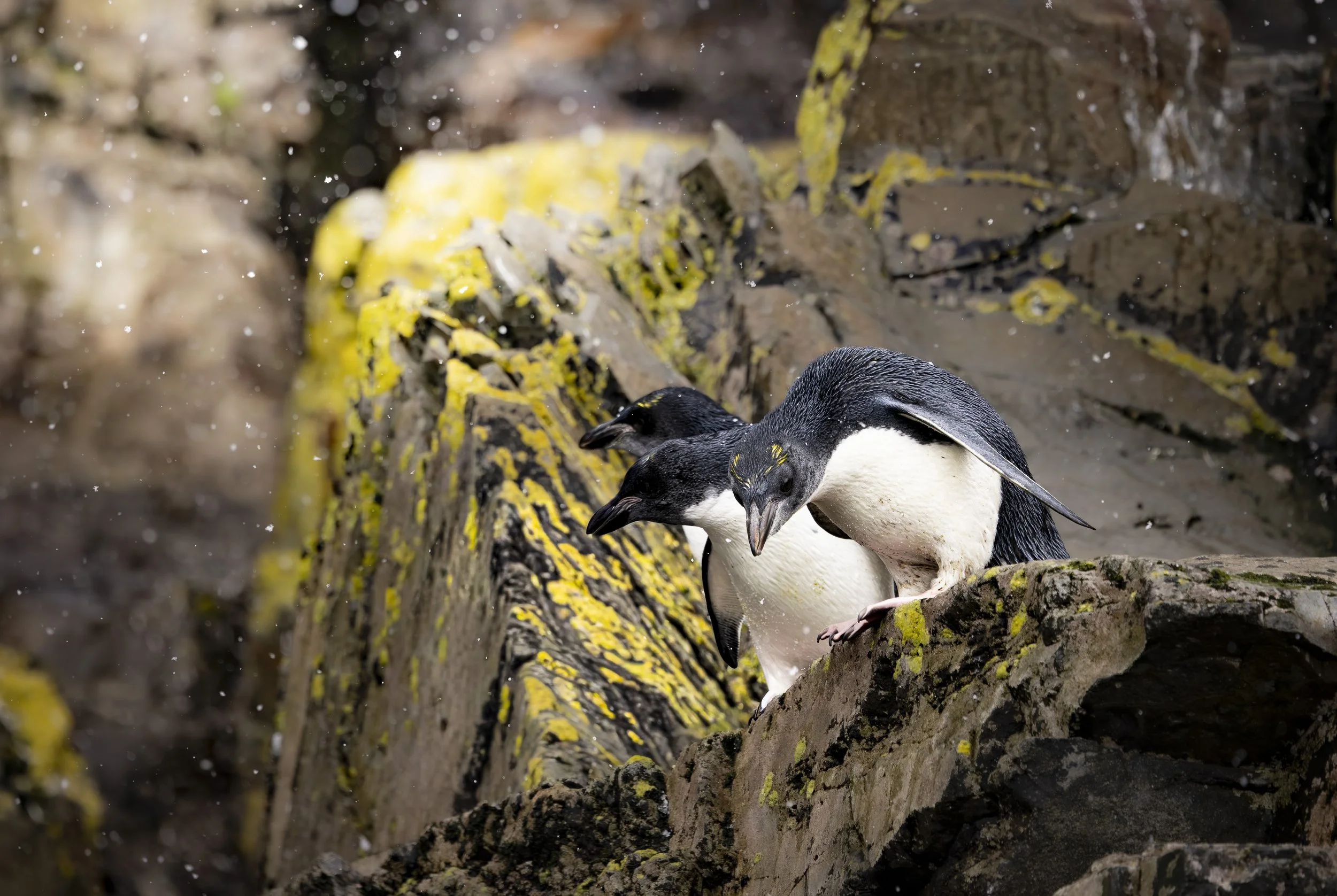
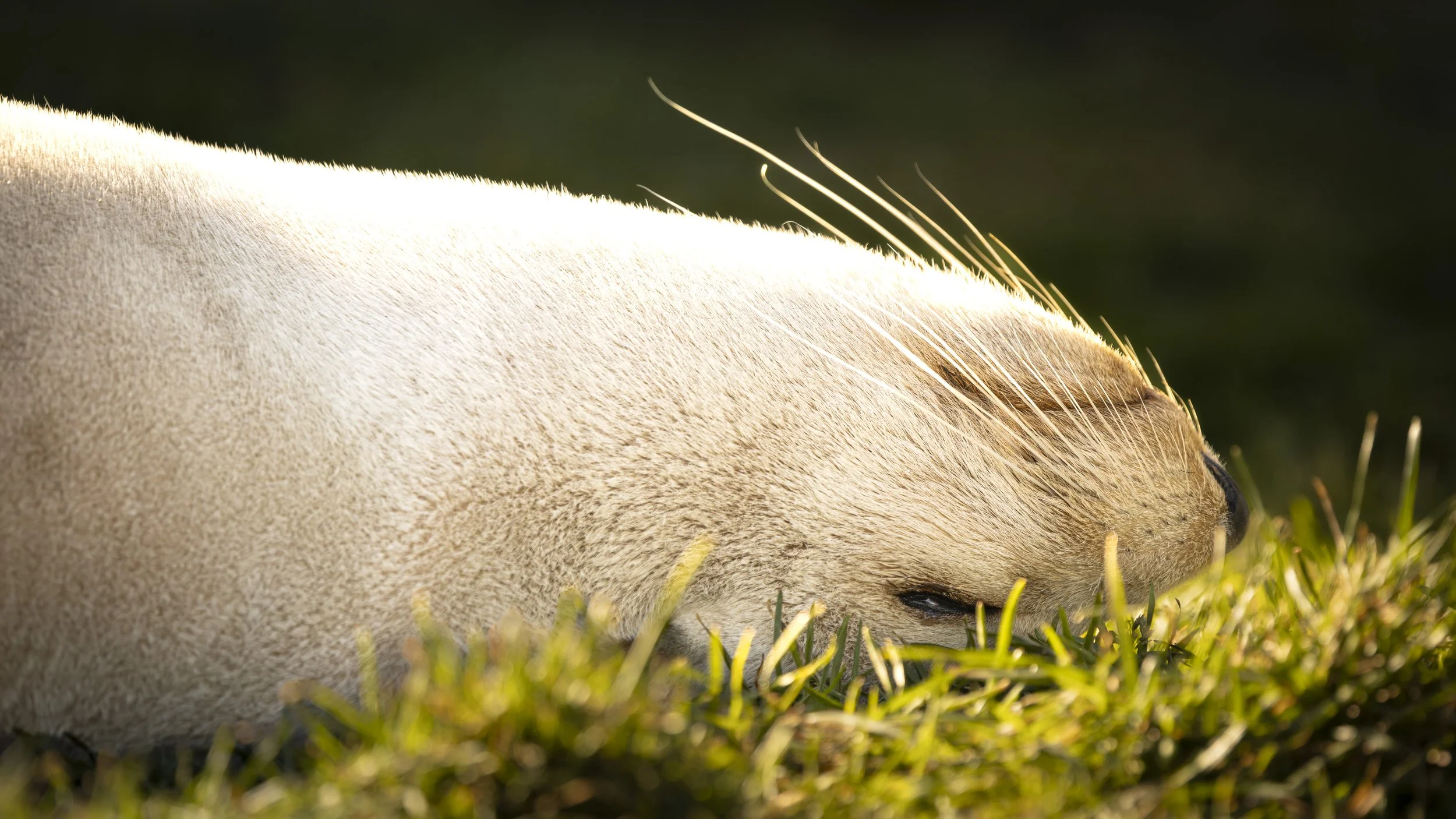
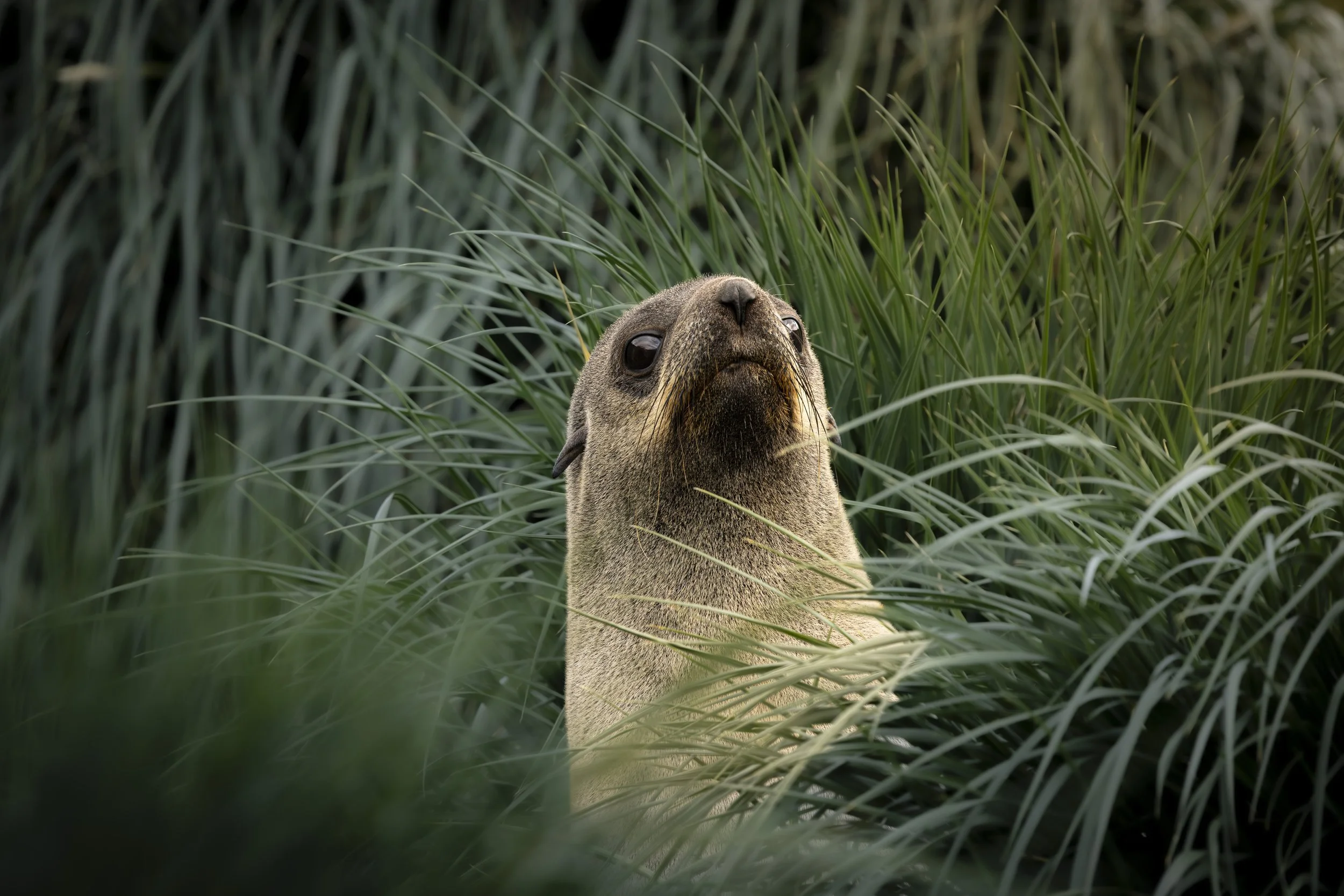
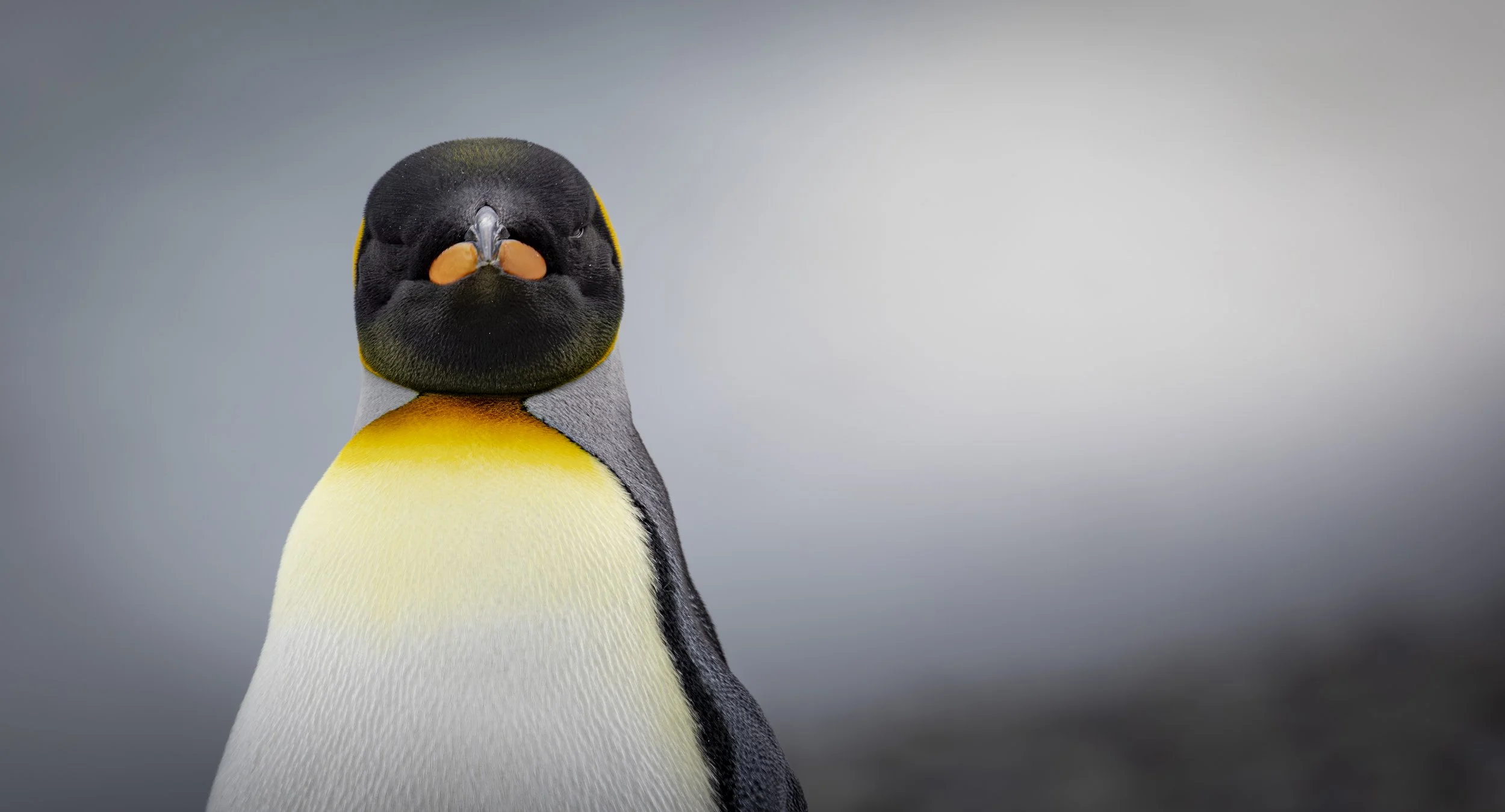
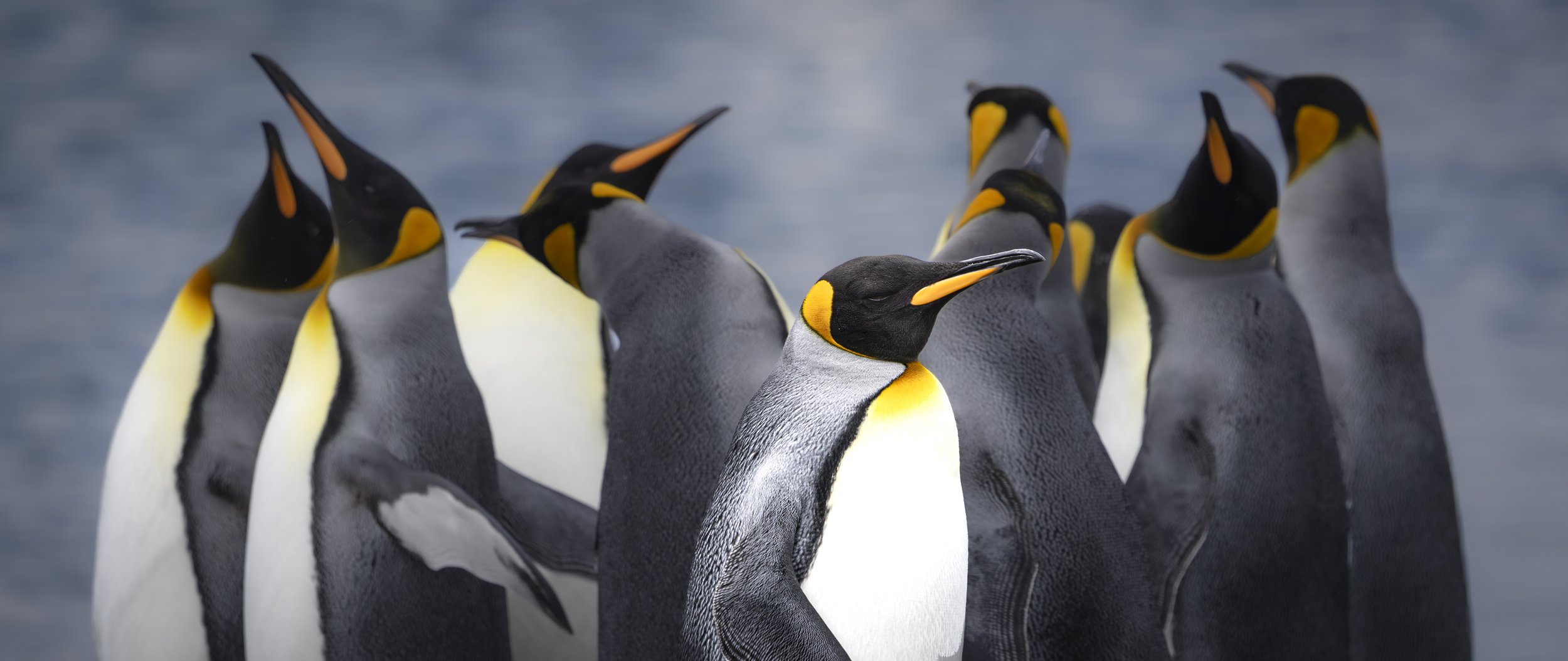
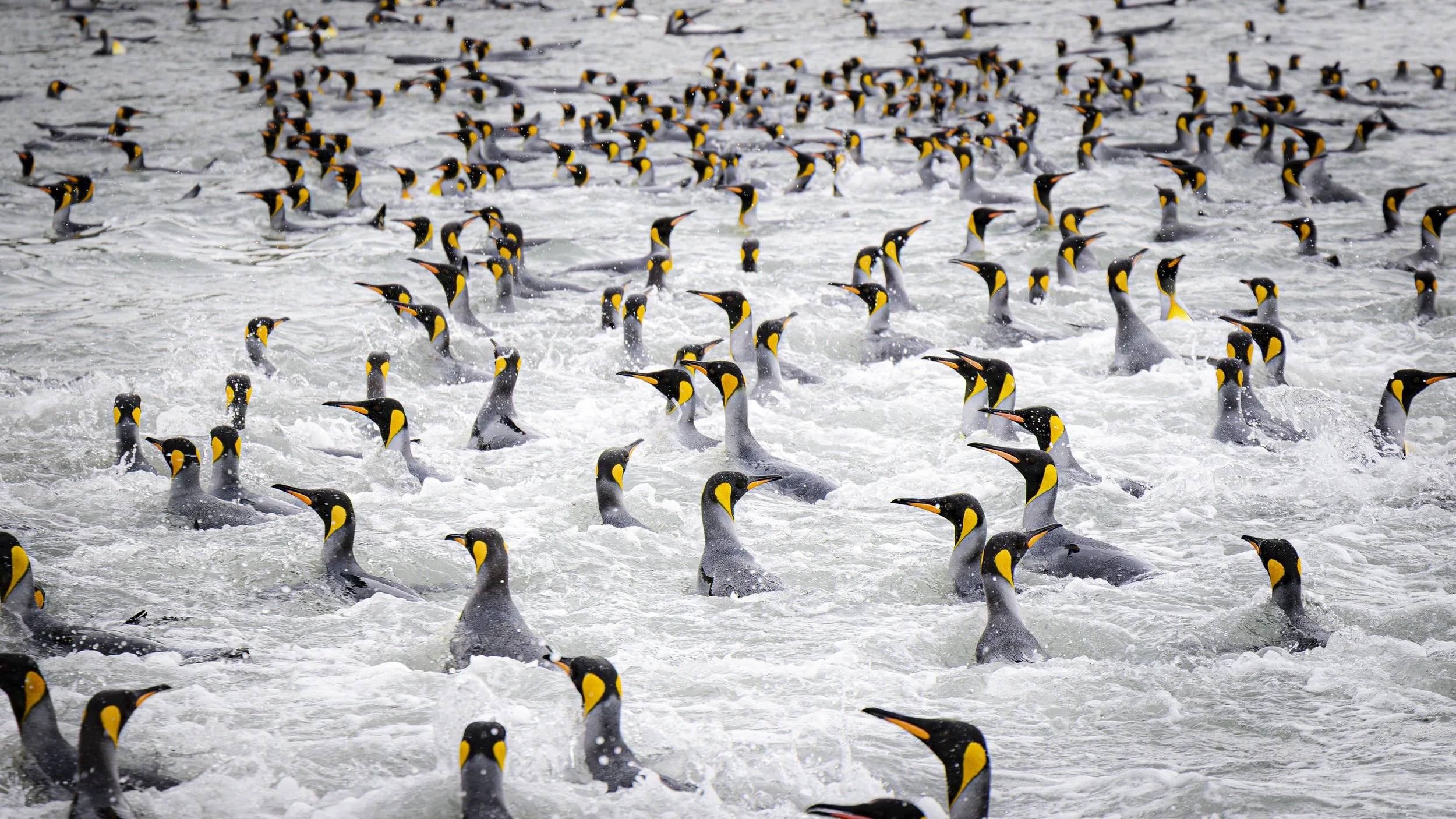
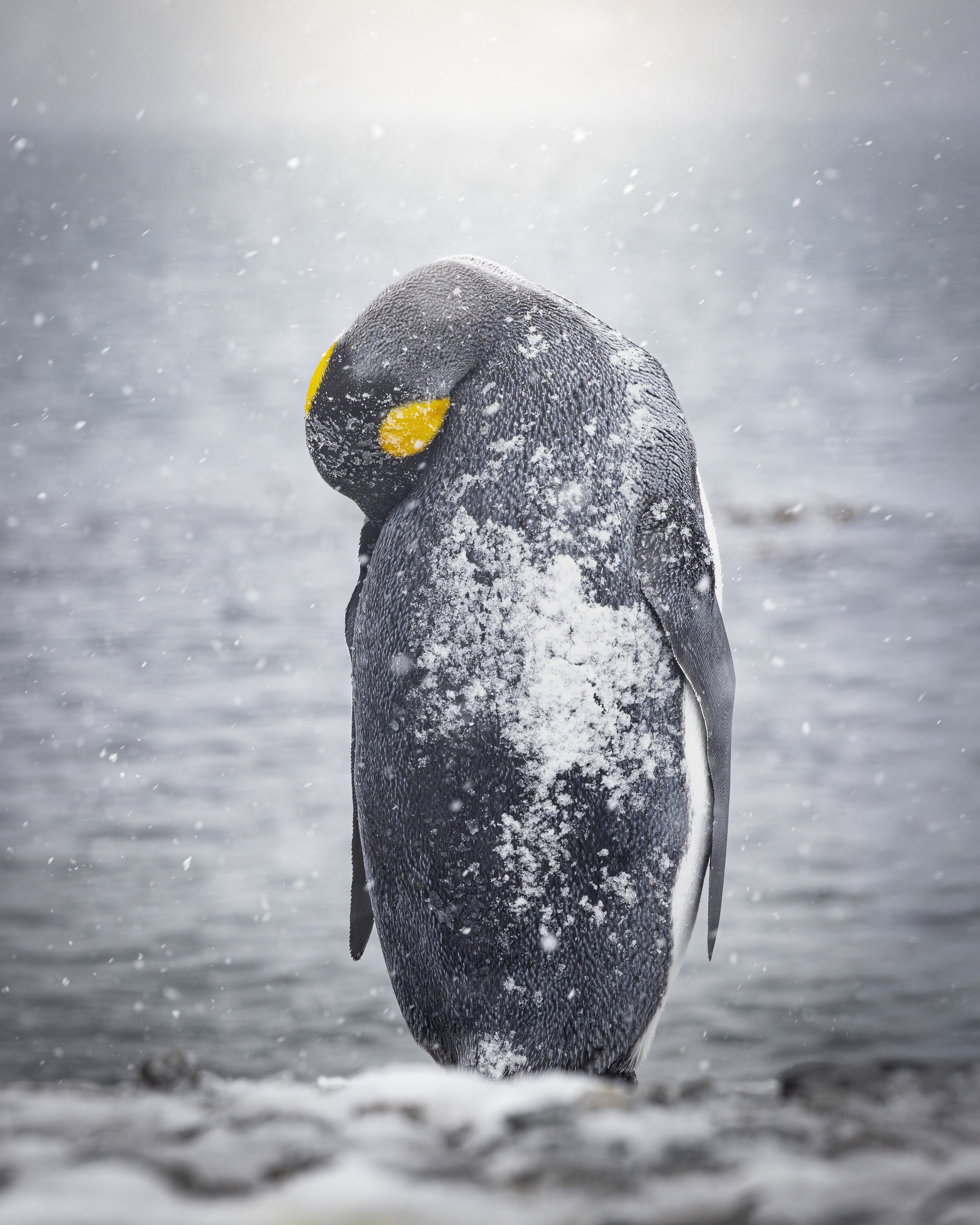
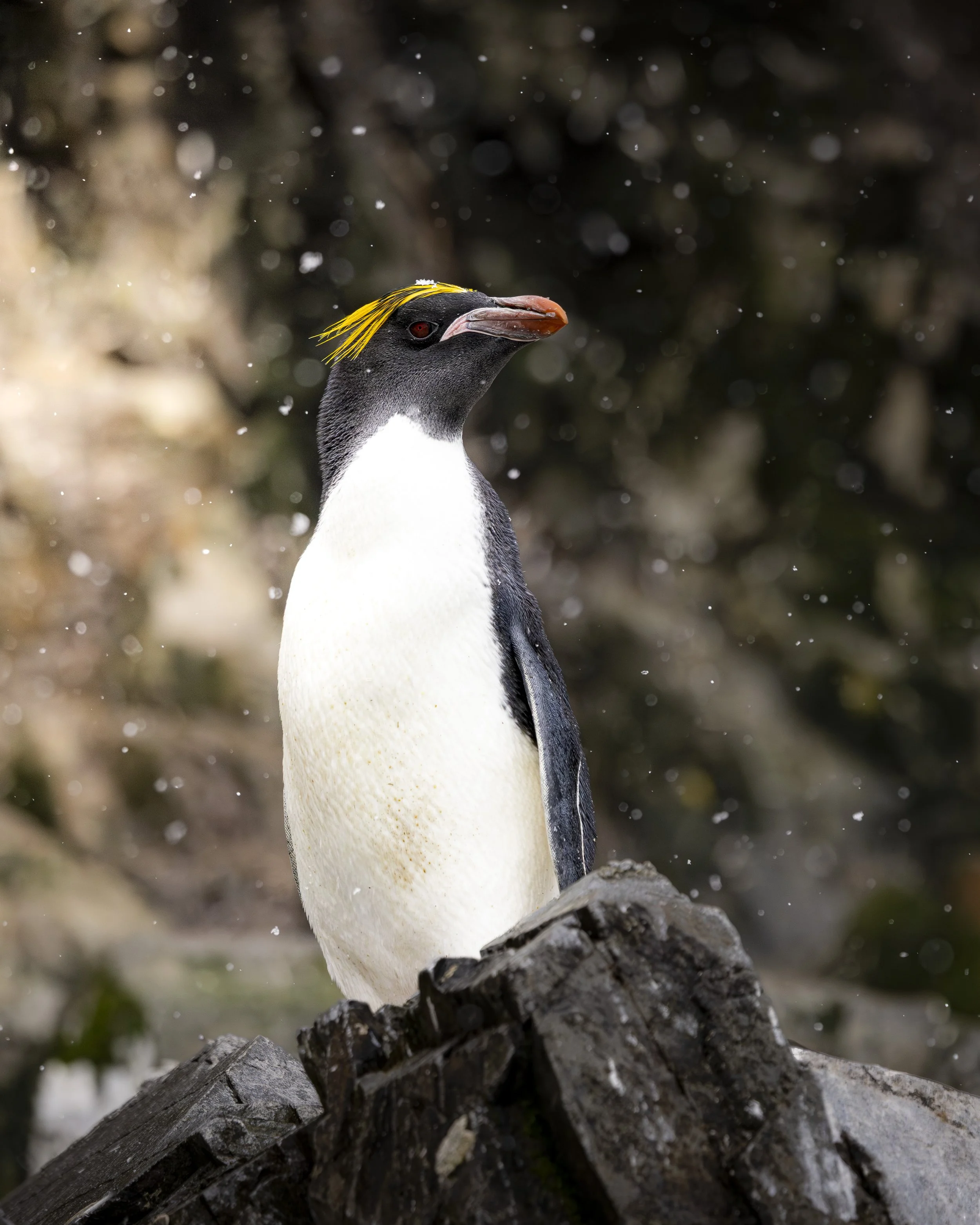
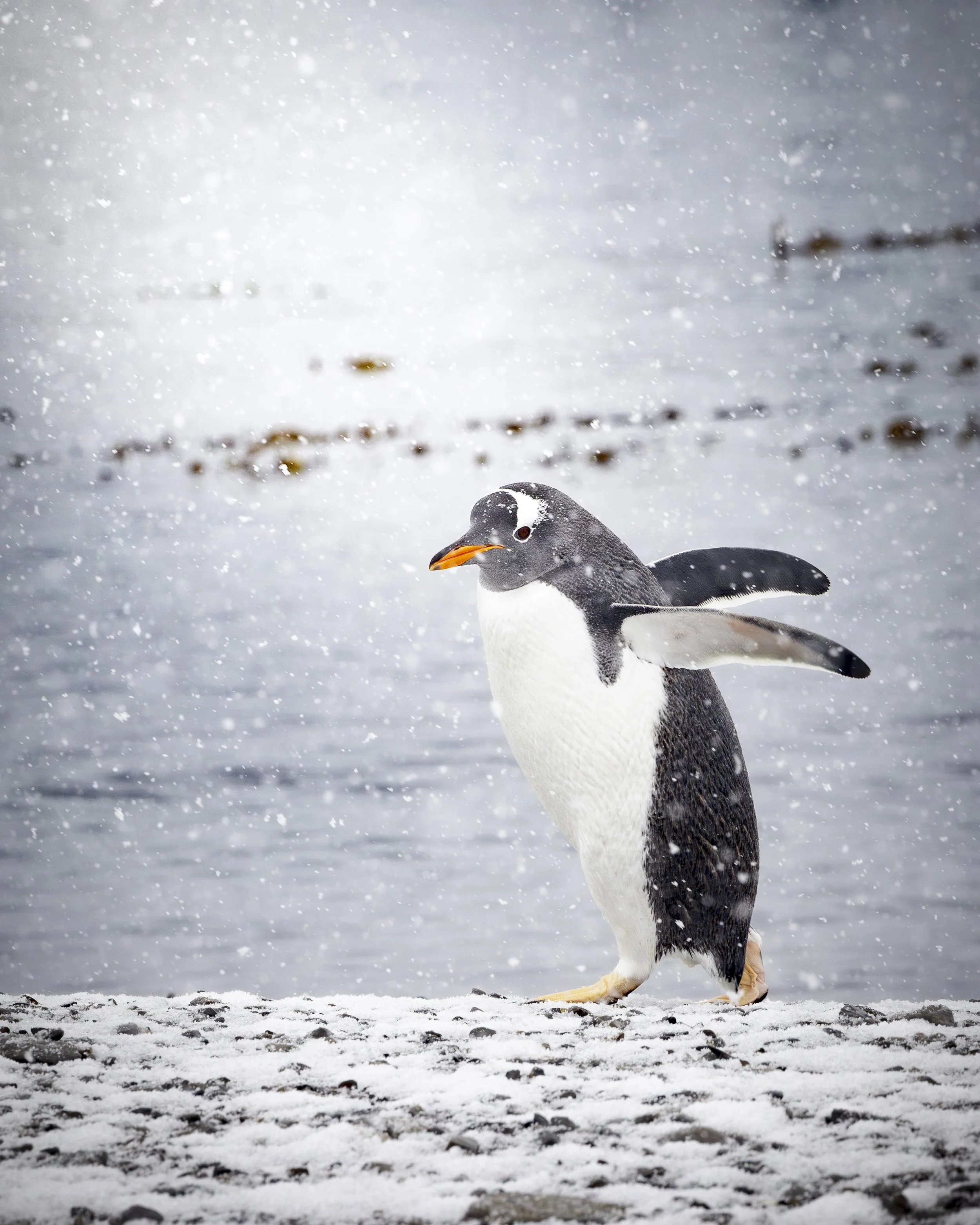
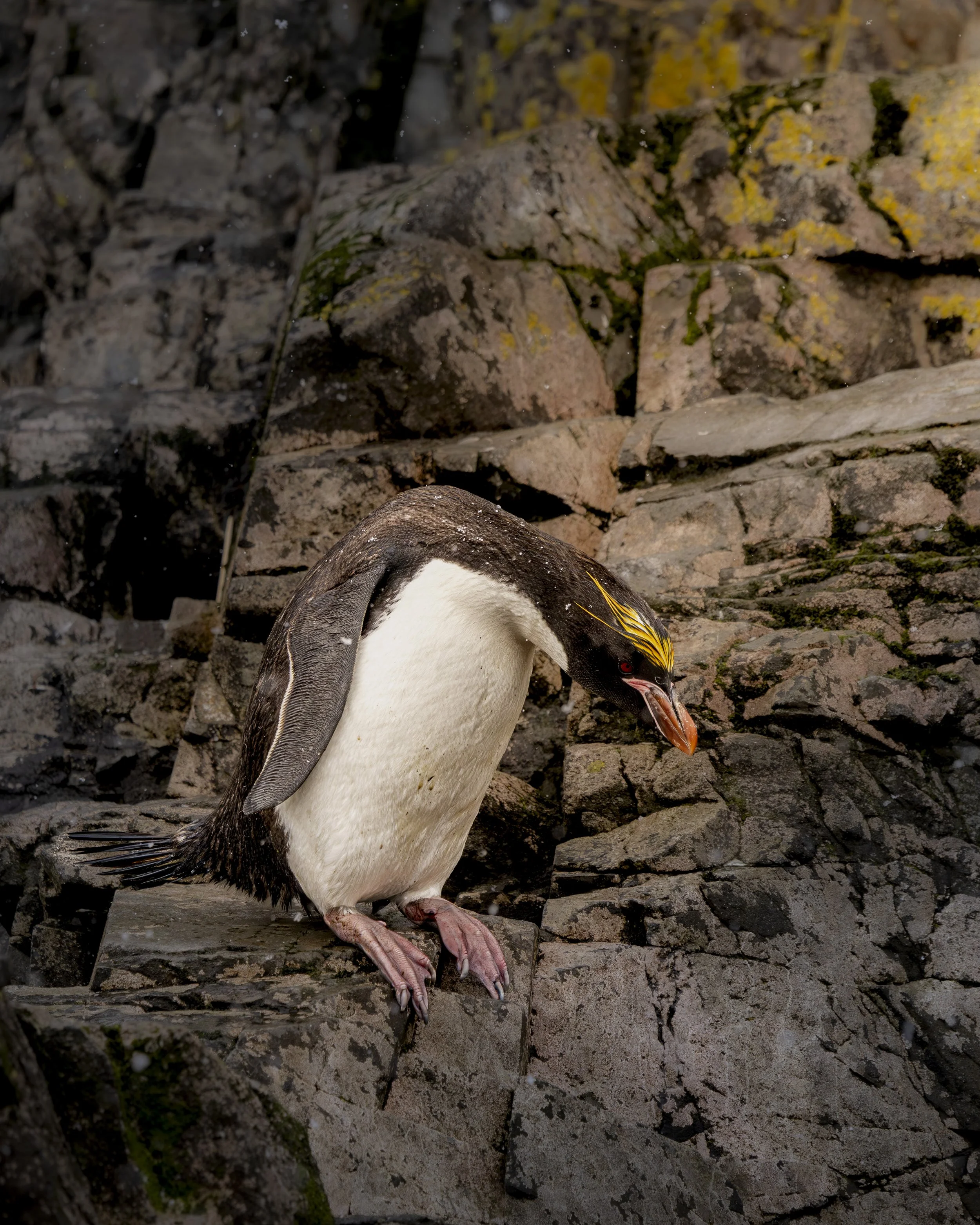
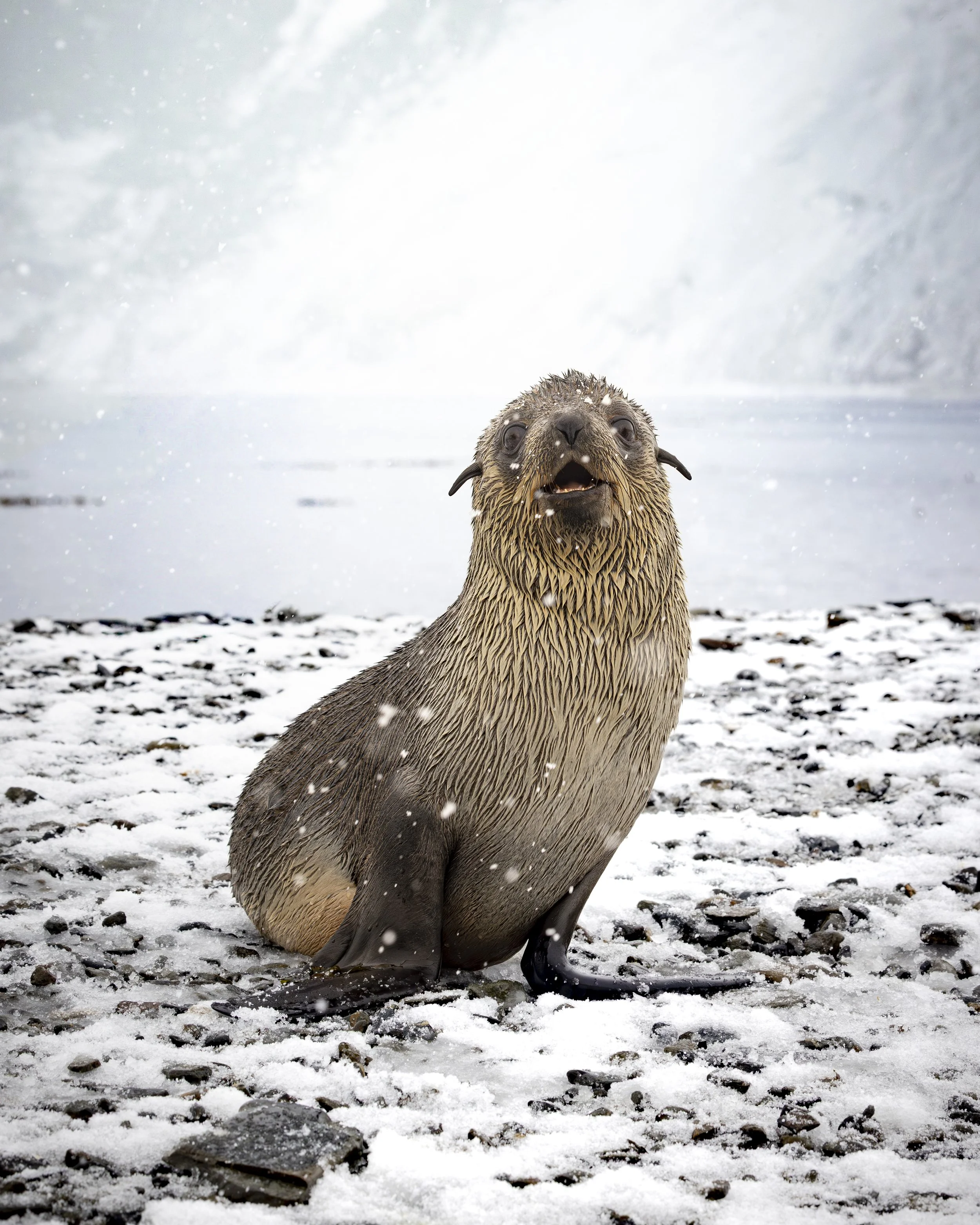
Visiting South Georgia and the Falkland Islands is a privilege I will never take for granted. These remarkable islands are among the greatest wildlife destinations on Earth, where every landing is alive with the sights, sounds, and energy of the Southern Ocean. It is quite literally the place of documentaries. Walking among vast penguin colonies, listening to the constant chorus of king penguins and fur seals, watching macaroni penguins bound effortlessly across rocky shorelines, sharing the beaches with curious elephant seal weaners and seeing Magellanic penguins emerge from their burrows are experiences that should never lose their sense of wonder. Every wildlife encounter, zodiac cruise, and shore landing becomes an opportunity not only to create compelling photographs, but to gain a deeper appreciation for the delicate balance between people, wildlife, and the environments they share. These journeys are designed to be immersive experiences that foster a lasting connection to two of the wildest and most extraordinary places in the Southern Hemisphere. I am incredibly grateful for the moments I have spent here, and hope that this collection of photos can help inspire the desire to protect these islands and the amazing wildlife that lives here.
South Georgia
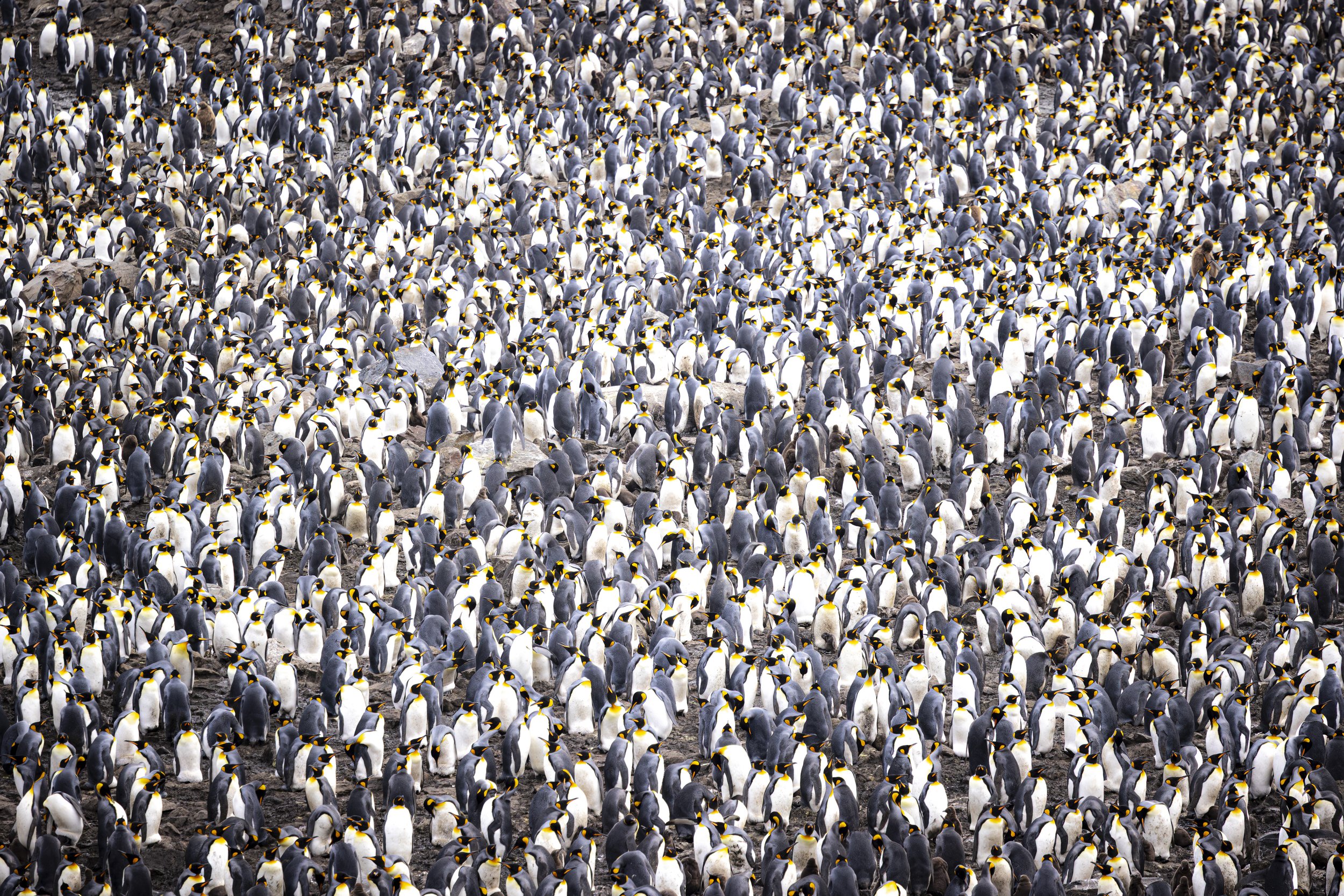
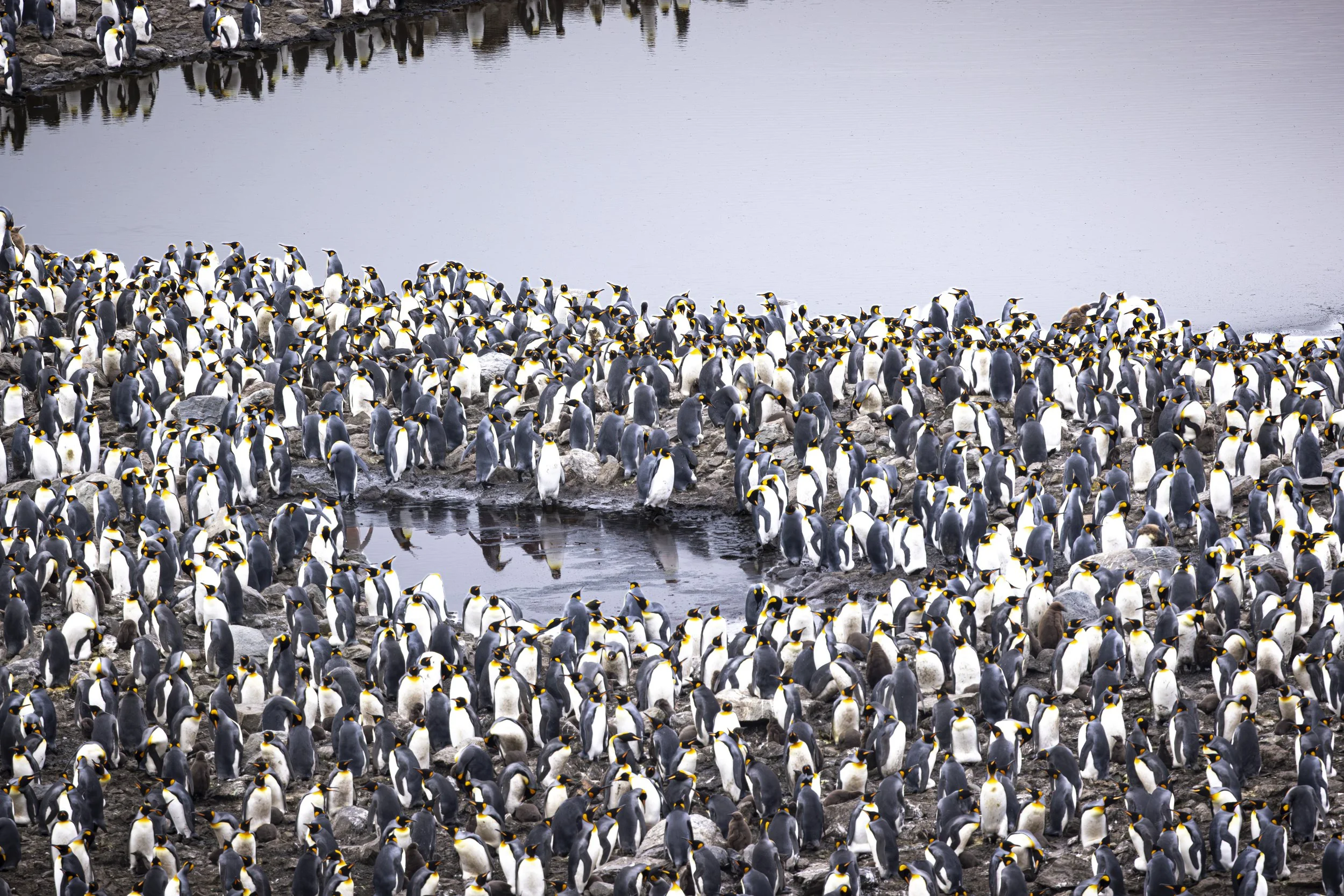
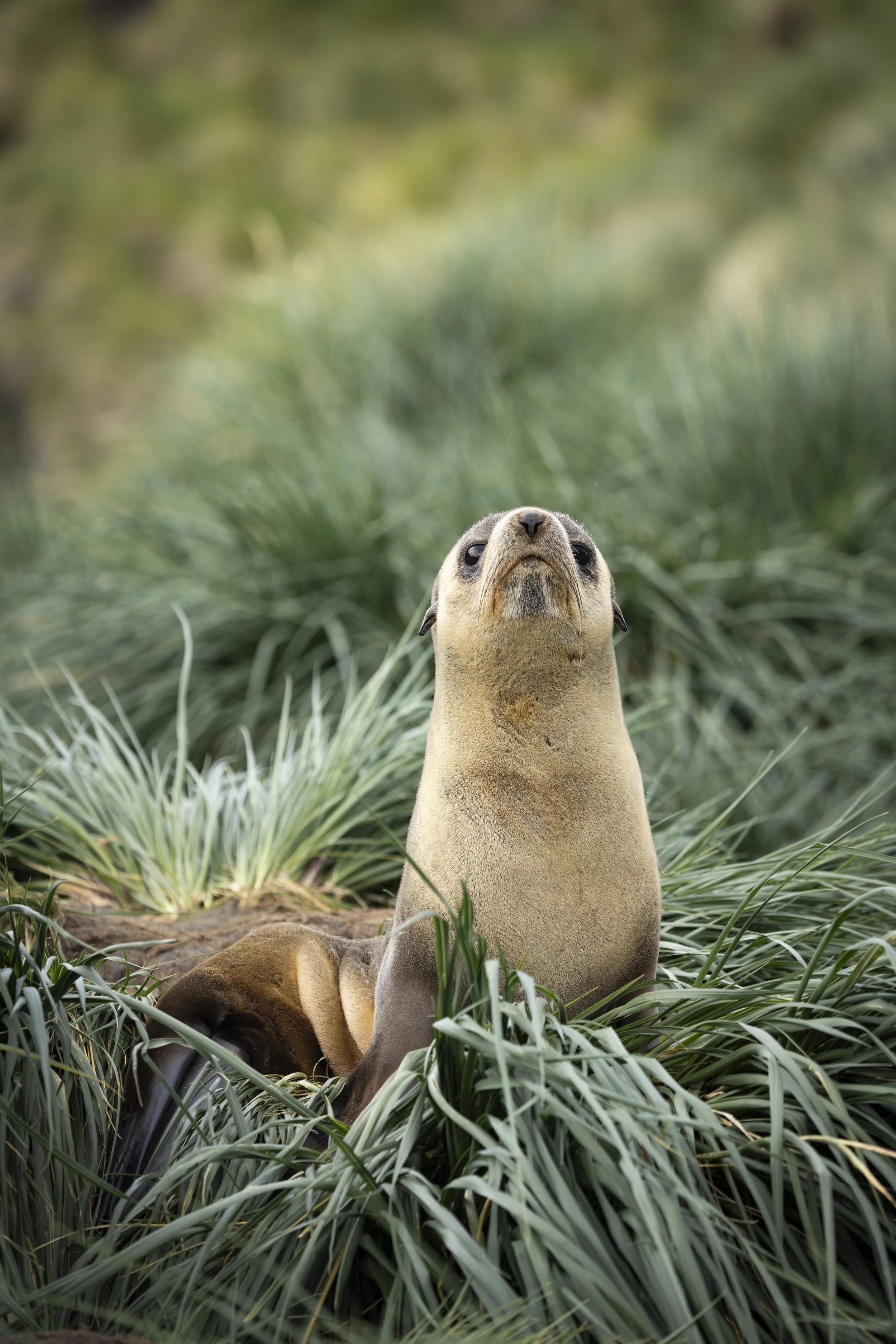
South Georgia has become one of the world's greatest conservation success stories, demonstrating what is possible through long-term commitment to ecosystem restoration and protection. Over the past two decades, ambitious projects have removed invasive rodents and reindeer that had threatened native wildlife and damaged fragile habitats for generations, allowing native vegetation and extensive tussock grasslands to recover. Beyond its shores, the island is surrounded by a vast Marine Protected Area that safeguards critical feeding grounds for whales, seals, penguins, and countless seabirds, while carefully managed fisheries help maintain the health of the Southern Ocean ecosystem. The results of these efforts are impossible to ignore. Nowhere is this more evident than at St. Andrews Bay, where one of the largest king penguin colonies on Earth stretches as far as the eye can see. Tens of thousands of penguins crowd the beaches and river flats, elephant seals line the shoreline, and Antarctic fur seals weave through the tussock grass, creating one of the most extraordinary wildlife spectacles on the planet. It is an experience that is both humbling and inspiring, offering visitors the rare opportunity to witness a thriving ecosystem that has been given the chance to recover and flourish.
The Falkland Islands
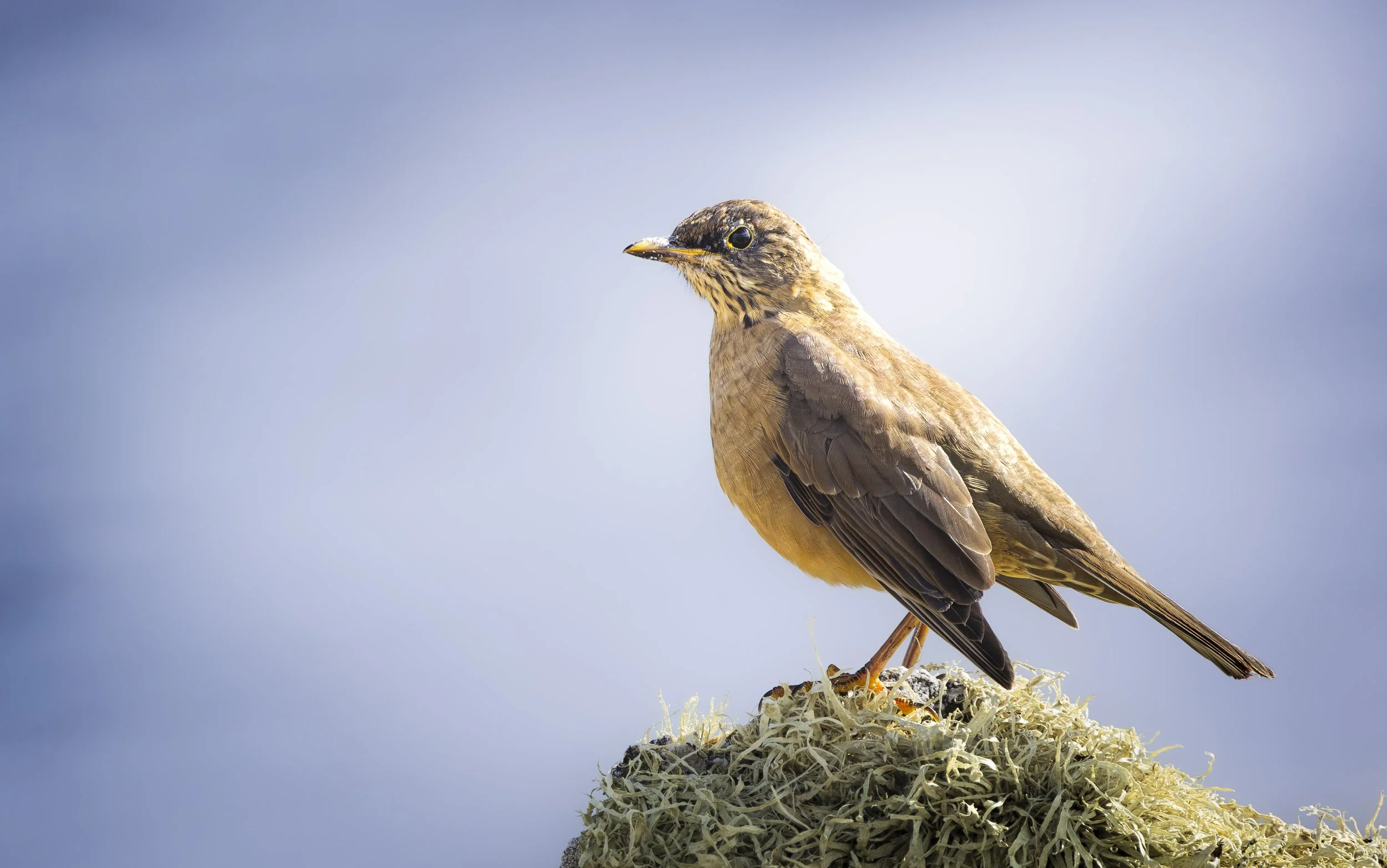
The Falkland Islands showcase how conservation, scientific research, and sustainable tourism can work together to protect one of the South Atlantic's most important wildlife destinations. Conservation organizations, landowners, and researchers collaborate to restore native habitats, monitor penguin and seabird populations, protect marine ecosystems, and improve our understanding of the islands' unique biodiversity. Across the archipelago, former grazing lands are being restored through the regeneration of native tussock grass, creating valuable nesting habitat for seabirds and shelter for countless other species. Tourism plays an important role in supporting these efforts, generating income for local communities, private nature reserves, and conservation organizations while fostering a greater appreciation for the islands' extraordinary natural heritage. By visiting responsibly, following wildlife viewing guidelines, and supporting locally led conservation initiatives, travellers directly contribute to the long-term protection of the Falklands' remarkable landscapes and the wildlife that depends on them.